Understanding the Role of a Hair Colour Specialist
In the world of hairstyling, the role of a hair colour specialist is paramount. These professionals are not just skilled in applying color but possess an in-depth understanding of how different hues interact with hair types and skin tones. Their expertise goes beyond basic coloring techniques, encompassing the latest trends, color theory, and even health considerations for clients’ hair.
What Makes a Hair Colour Specialist Unique?
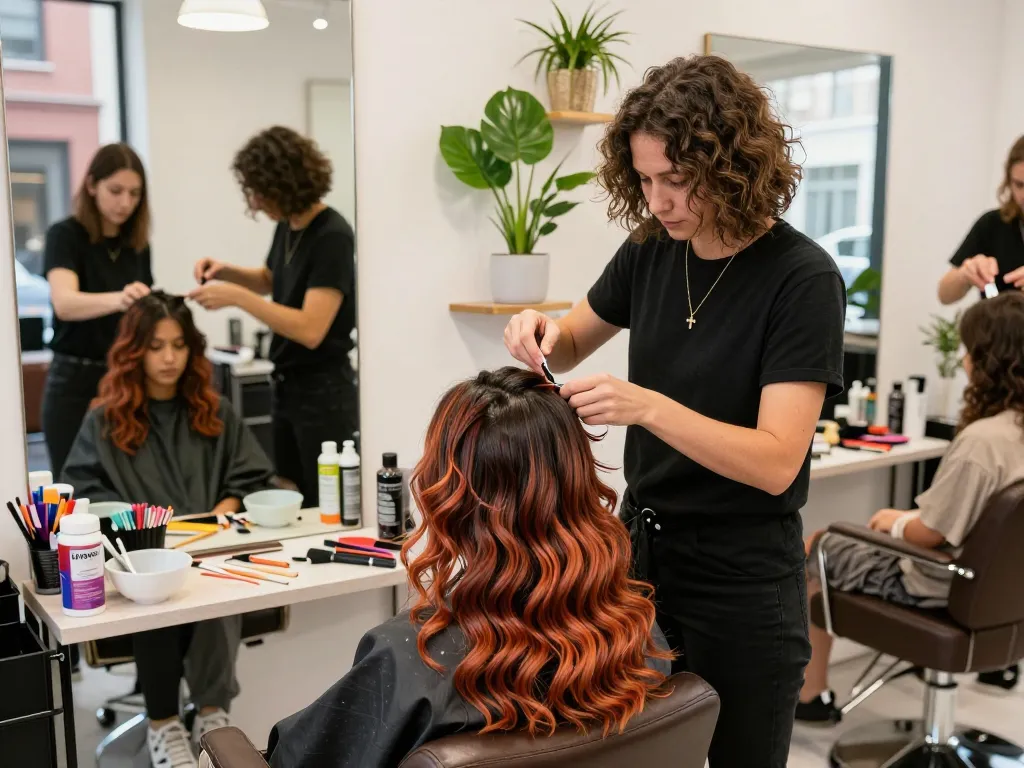
Hair colour specialists stand apart from general hairstylists by focusing exclusively on coloring techniques and applications. They are trained to understand the science of hair pigmentation and how to achieve the desired results through various methods, such as balayage, ombre, and color correction. This specialization allows them to cater to individual client needs, ensuring a personalized approach to each hair coloring session.
Essential Skills and Qualifications of a Hair Colour Specialist
To be a successful hair colour specialist, one must possess a blend of artistic creativity and technical skills. Qualifications typically include formal training from accredited cosmetology schools, where they learn about color theory, chemical interactions, and application techniques. Additional skills that set them apart include:
- Attention to Detail: Color application requires precision to achieve the perfect hue and avoid uneven patches.
- Knowledge of Products: Understanding various hair products and their effects on different hair types is crucial.
- Strong Communication: Specialists must effectively communicate with clients to understand their vision and needs.
Common Services Offered by Hair Colour Specialists
Hair colour specialists offer a range of services tailored to enhance their clients’ beauty. Common services include:
- Full hair coloring
- Highlights and lowlights
- Balayage and ombre techniques
- Color correction for mishaps or previous color mistakes
- Consultations to help clients choose the best shade for their complexion
Key Techniques Every Hair Colour Specialist Should Master
Balayage: The Art of Natural-Looking Highlights
Balayage is a freehand technique that creates a natural, sun-kissed look. Unlike traditional foiling methods, balayage allows for a more organic and blended appearance of highlights, making it look as though the hair has lightened naturally over time. This technique has gained immense popularity due to its versatility and low maintenance, appealing to clients who prefer a softer grow-out phase.
Ombre vs. Sombre: Choosing the Right Technique
Ombre and sombre are two techniques that offer stunning effects but cater to different preferences. Ombre features a bold contrast with darker roots transitioning into lighter ends, creating a dramatic effect. In contrast, sombre is a softer version, focusing on subtle transitions for a more natural appearance. Hair colour specialists should be adept at assessing clients’ hair types and skin tones to recommend the appropriate technique.
Color Correction Strategies for Common Hair Mistakes
Color correction is an essential skill for any hair colour specialist. Mistakes can happen due to improper application, incorrect color choice, or simply changes in the hair over time. Common strategies for correction include:
- Neutralizing unwanted tones (such as brassy yellows or reds)
- Stripping color safely before reapplication
- Adding dimension to flat color through layering techniques
Choosing the Right Hair Colour for Your Skin Tone
Identifying Your Skin Undertone: Cool, Warm, or Neutral?
A crucial aspect of selecting hair color is understanding one’s skin undertone. Generally, undertones fall into three categories: cool, warm, and neutral. Cool undertones typically feature pink or blue hues, while warm undertones lean towards yellows and golds. Neutral undertones can be a mix of both. Identifying the right undertone is vital for selecting complimentary hair colors, enhancing the client’s natural beauty.
Best Hair Colours for Cool Undertones
For those with cool undertones, the following hair colors work best:
- Platinum blonde
- Ash brown
- Cool reds, such as burgundy or deep plum
Top Hair Colour Picks for Warm Undertones
Clients with warm undertones should consider the following colors:
- Golden blondes
- Warm browns, such as chestnut
- Rich caramel highlights
Trends in Hair Colouring for 2026
Emerging Hair Colour Trends to Watch This Year
The hair coloring industry continues to evolve, with trends emerging each year. In 2026, expect to see:
- Pastel shades making a comeback
- Bold and vivid fantasy colors
- Customized color formulations, allowing clients to create their own unique shades
Influences from Fashion Runways and Celebrity Styles
Fashion runways and celebrity influences play a significant role in shaping hair color trends. This year, expect to see celebrities showcasing innovative color combinations, often inspiring clients to experiment with their looks. Hair colour specialists must stay updated with these trends to provide clients with the most contemporary and stylish options.
Eco-Friendly and Sustainable Hair Colour Options
With increasing awareness of environmental issues, many clients are looking for eco-friendly hair color solutions. Sustainable brands offer formulas that are gentle on both hair and the planet, using natural ingredients and recyclable packaging. Hair colour specialists should be prepared to discuss these options with clients who prioritize sustainability.
How to Maintain Your Hair Colour After a Professional Treatment
Best Practices for Home Hair Care to Preserve Colour
Maintaining hair color after a professional treatment requires diligence. Clients should consider the following best practices:
- Use sulfate-free shampoos to prevent color fading.
- Avoid hot water when washing hair, as it may strip color.
- Limit exposure to the sun and chlorine, which can dull color.
Recommended Products by Hair Colour Specialists
Professionals often recommend specific products tailored to color-treated hair. These include color-safe shampoos, conditioners designed for hydration, and leave-in treatments that protect color. Using high-quality products can significantly extend the life of a hair color.
Scheduling Maintenance Appointments: How Often Should You Go?
Maintenance frequency depends on the technique used and the client’s hair growth rate. Generally, clients should schedule touch-ups every 4-6 weeks for root regrowth and every 8-12 weeks for full color maintenance. Regular visits ensure that the hair looks vibrant and healthy.
What is a hair colour specialist?
A hair colour specialist is a professional who is trained and experienced in the art and science of coloring hair. They possess extensive knowledge of various coloring techniques, products, and how different colors complement different skin tones.
How do I find a good hair colour specialist?
To find a reputable hair colour specialist, consider asking for recommendations from friends, looking for reviews online, or utilizing platforms that list top-rated salons in your area. Ensure to check their portfolio to see their work style and results.
What techniques do hair colour specialists use?
Hair colour specialists employ a variety of techniques, including balayage, ombre, highlights, lowlights, and color correction. They choose the technique based on the client’s hair type, desired look, and current color.
What should I expect during my first appointment?
During your first appointment, expect a thorough consultation where the specialist will assess your hair type, discuss your desired outcome, and advise on the best colors and techniques. They may also perform a strand test to ensure the best results.
How long does hair colour last before needing touch-ups?
The longevity of hair color varies based on the type of color used, hair type, and maintenance routine. Generally, semi-permanent colors last around 4-6 weeks, while permanent colors can last several months before noticeable regrowth occurs.