
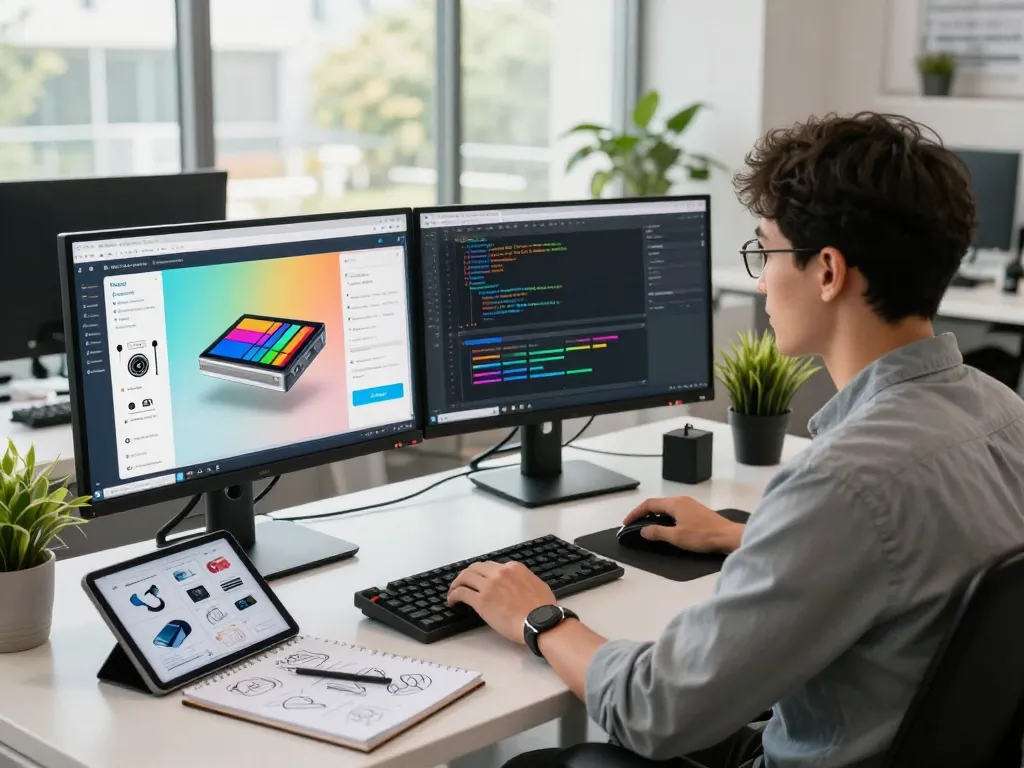
Understanding 3D Product Configurator Software
In the fast-evolving e-commerce landscape, businesses are constantly seeking innovative tools to engage customers and enhance the shopping experience. 3D product configurator software represents a groundbreaking solution, allowing customers to customize and visualize products in a three-dimensional space. This technology empowers consumers to design products to their exact specifications, resulting in improved satisfaction and reduced return rates.
What is 3D Product Configurator Software?
3D product configurators are advanced tools that enable users to personalize products by manipulating various attributes and features in a real-time 3D environment. These configurators integrate with e-commerce platforms, allowing potential buyers to visualize items before purchase, which is crucial in industries such as automotive, furniture, fashion, and electronics. By providing a dynamic interface for product customization, businesses can cater to individual preferences and create a unique shopping experience.
Key Features of 3D Configurators
- Real-time Visualization: Users can see the changes they make immediately, enhancing engagement and satisfaction.
- Customizable Options: Customers can choose different colors, materials, and features to create their ideal product.
- Augmented Reality (AR) Integration: Some configurators offer AR capabilities, allowing users to visualize products in their environment using smart devices.
- User-Friendly Interface: Many configurators are designed for ease of use, requiring no technical skills from the customer.
- Data Analytics: Businesses can collect valuable data on user preferences and behavior to inform future product offerings.
Benefits for E-commerce Businesses
Employing 3D product configurator software can yield numerous benefits for e-commerce businesses:
- Increased Conversion Rates: By providing an interactive experience, businesses can significantly boost sales as customers are more likely to complete their purchases.
- Reduced Returns: Customization allows customers to get exactly what they want, leading to higher satisfaction and fewer returns.
- Enhanced Customer Engagement: The engaging nature of 3D configurators keeps customers on the site longer, increasing their likelihood of purchasing.
- Competitive Advantage: Utilizing advanced technology can differentiate a brand from its competitors, leading to increased market share.
How 3D Product Configurator Software Works
Tech Behind the Scenes: Software Architecture
A robust 3D product configurator is built on a sophisticated software architecture that often includes cloud services, rendering engines, and back-end databases. This architecture facilitates the rendering of complex 3D models and ensures a seamless user experience. Key components include:
- Rendering Engine: Responsible for generating high-quality visuals in real-time as modifications are made.
- Database Management: Stores product information, configurations, and customer data for personalized experiences.
- APIs and Integrations: Connect the configurator with existing e-commerce platforms, payment gateways, and customer relationship management systems.
User Interaction and Experience Flow
The user experience is central to the effectiveness of 3D product configurators. Typically, the interaction flow involves:
- Selection of a base product from a catalog.
- Customization through various options displayed in the interface.
- Real-time visualization of changes made.
- Saving configurations for future reference or immediate checkout.
Each stage is designed to be intuitive, minimizing the learning curve for users and enhancing overall user satisfaction.
Integrating Configurators with Existing Platforms
Integration is a critical aspect of deploying 3D product configurator software. Businesses must ensure that the configurator seamlessly fits into their existing e-commerce infrastructure. This typically includes:
- Working with content management systems (CMS) to ensure that product information is up to date.
- Ensuring compatibility with payment gateways to facilitate smooth transactions.
- Utilizing analytics tools to track user engagement and conversion rates.
Challenges in Implementing 3D Configurator Software
Common Misconceptions About 3D Configurators
Despite their benefits, there are several misconceptions about 3D product configurators. One common belief is that they are only suitable for large businesses with extensive resources. However, advances in technology have made configurators accessible and affordable for small and medium enterprises.
Technical Hurdles During Integration
Integrating a 3D configurator can present technical challenges, such as:
- Compatibility issues with existing IT infrastructure.
- Difficulty in managing complex product data.
- Network bandwidth requirements for real-time rendering.
Overcoming these hurdles often requires collaboration with experienced developers and IT specialists.
Cost Considerations for Businesses
While the return on investment (ROI) for implementing a 3D product configurator can be significant, businesses must carefully consider initial costs. These can include:
- Development and implementation expenses.
- Ongoing maintenance and updates.
- Training staff to manage and utilize the tool effectively.
Conducting a thorough cost analysis can help businesses prioritize their budget and justify the investment.
Best Practices for Utilizing 3D Product Configurators
Creating Engaging User Experiences
To maximize the effectiveness of a 3D product configurator, businesses should focus on delivering engaging user experiences through:
- High-quality graphics and realistic textures.
- Intuitive navigation and user-friendly interfaces.
- Providing comprehensive tutorials or guides for first-time users.
Leveraging Data for Personalization
Data collected from user interactions can be critical for enhancing the configurator experience. Businesses should analyze:
- User preferences and customization patterns.
- Commonly configured products and options.
- Feedback and suggestions from users to improve the interface or features.
Measuring Success and User Engagement
Success metrics are essential for understanding the impact of a 3D product configurator. Key performance indicators (KPIs) to monitor include:
- Conversion rates before and after implementation.
- Average time spent using the configurator.
- User feedback and satisfaction ratings.
Future Trends for 3D Product Configurator Software
Emerging Technologies and Innovations in 2026
As technology continues to evolve, several trends are expected to shape the future of 3D product configurators, including:
- Artificial Intelligence (AI): AI can enhance customization options and improve user recommendations based on past behavior.
- Virtual Reality (VR): More immersive shopping experiences through VR headsets could further engage users.
- Cloud Computing: Advances in cloud technology can improve rendering speeds and accessibility.
User Expectations and Experience Evolution
Consumers are becoming increasingly tech-savvy and expect seamless, engaging experiences. Future configurators will need to address these expectations by:
- Providing instant feedback during customization.
- Utilizing machine learning algorithms to predict user preferences.
- Incorporating social features to share designs with friends or family.
Case Studies of Successful Implementations
Many businesses have successfully implemented 3D product configurators, leading to substantial increases in sales and customer satisfaction. For example:
- An online furniture retailer used a 3D configurator to allow customers to visualize custom furniture pieces in their home settings, resulting in a 30% increase in conversion rates.
- A car manufacturer implemented a configurator for their vehicle lineup, enabling potential buyers to customize models down to the color of the interior stitching, which significantly reduced the number of undecided buyers.
What are the benefits of using 3D product configurator software?
The benefits include enhanced user engagement, increased conversion rates, reduced return rates, and the ability to offer personalized products that meet customer needs. Using such software allows e-commerce businesses to leverage innovative technology to improve their customer relationships and drive sales.
How can I integrate a 3D product configurator into my website?
To integrate a 3D product configurator, evaluate your existing e-commerce platform for compatibility, choose a software solution that meets your needs, and collaborate with IT and development teams to ensure a seamless implementation. Testing the configurator before launch is crucial to address any potential issues.
What are common challenges when implementing 3D configurators?
Common challenges include integrating the configurator with existing systems, managing the complexity of product data, and ensuring a user-friendly experience. Many businesses also struggle with the costs associated with implementation and maintenance.
What technology is used in 3D product configurators?
3D product configurators typically use a combination of web technologies, including HTML5, JavaScript, and WebGL, to create interactive 3D experiences. Advanced software may also incorporate AI and machine learning technologies to enhance customization functions and user experience.
How do 3D configurators enhance user engagement?
3D configurators enhance user engagement by providing an interactive platform where customers can visualize and personalize products in real time. This level of involvement not only captures the user’s attention but also encourages them to make informed purchasing decisions, ultimately boosting satisfaction and loyalty.