Understanding the Hijabi Store Concept
The hijabi fashion industry has seen remarkable growth and transformation over the years, driven by the desire for stylish yet modest clothing options. A Hijabi store serves as a specialized retail space catering to the unique needs of hijabi women, offering an array of fashionable apparel, accessories, and headscarves. This article explores the essence of hijabi stores, their evolution, and the key benefits they present to consumers, all while emphasizing the importance of style and sustainability.
What is a Hijabi Store?
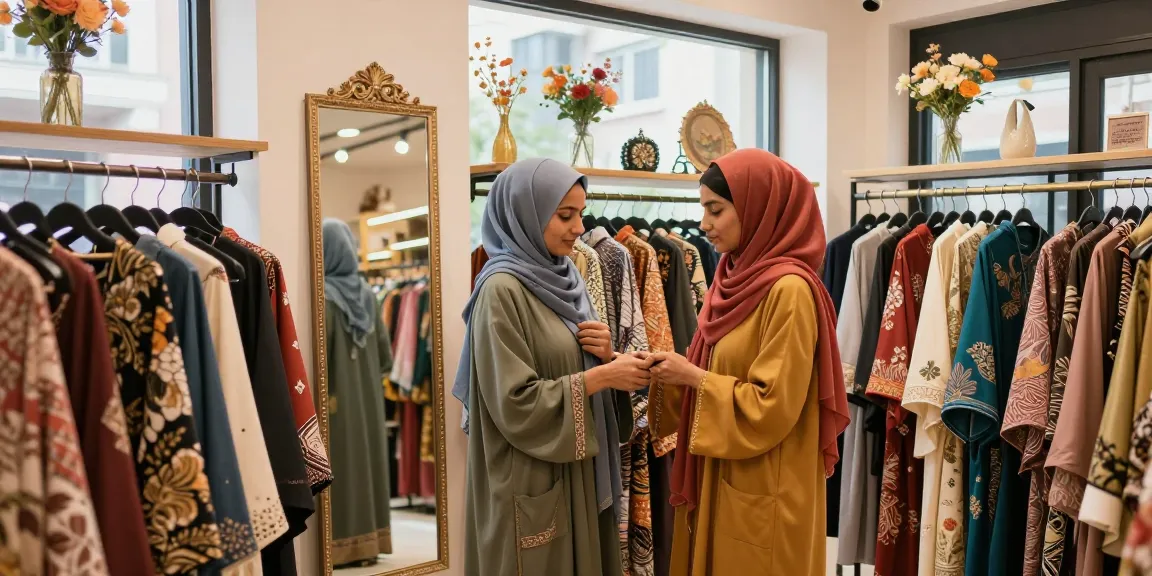
A hijabi store is a retail establishment that specializes in clothing and accessories that align with the modest fashion principles followed by hijabi women. These stores are characterized by their curated selections that not only reflect current fashion trends but also cater to the cultural and religious needs of their customers. From elegant dresses and tunics to versatile hijabs of various fabrics and colors, hijabi stores strive to provide options that empower women to express their individuality while adhering to their beliefs.
The Evolution of Fashion for Hijabi Women
The journey of hijabi fashion has been both exciting and challenging. In the past, modest fashion was often associated with limited choices, but today, the landscape is vastly different. The emergence of influencer culture and the rise of social media platforms have played a crucial role in amplifying the voices of hijabi women, showcasing their style and preferences. As a result, designers have begun to embrace inclusivity, leading to a diverse array of offerings tailored specifically for this audience.
Key Benefits of Shopping at a Hijabi Store
- Curated Selections: Hijabi stores provide a carefully curated range of products, ensuring that customers can find items that meet their modesty requirements without sacrificing style.
- Community Understanding: Staff members typically understand the cultural significance of hijabs and modest clothing, providing a level of support and guidance that general retailers may lack.
- Quality Choices: Many hijabi stores prioritize quality over quantity, offering pieces made from durable materials that are designed to last.
Choosing the Right Styles for Every Occasion
Selecting the right hijabi attire can be overwhelming, especially considering the variety of events one may attend. From casual gatherings to formal celebrations, understanding the appropriate styles for each occasion is essential in making fashion choices that align with both personal taste and cultural practices.
Daily Wear vs. Special Occasions
For daily wear, comfort and versatility are paramount. Many women opt for soft, breathable fabrics such as cotton or jersey to ensure ease of movement. Casual outfits like long tunics paired with wide-leg pants or maxi skirts work well for day-to-day activities. In contrast, special occasions call for more elaborate designs—think shimmering fabrics, intricate embroidery, or bold colors—all of which can elevate your wardrobe significantly. A well-chosen dress or an elegant gown can turn heads at any event.
Accessorizing Your Hijab for a Complete Look
Accessorizing is key to completing any hijabi outfit. The right accessories can enhance your overall appearance and add a personal touch. Consider incorporating statement jewelry, such as bold earrings or layered necklaces, that draw attention to your face without compromising modesty. Additionally, belts can be used over dresses or tunics to create a flattering silhouette, while stylish bags can elevate any ensemble.
Seasonal Trends in Hijabi Fashion
Fashion is ever-changing, and hijabi fashion is no exception. Staying aware of seasonal trends helps hijabi women maintain a stylish wardrobe. For instance, spring may see lighter fabrics and pastel colors dominating the market, while fall often embraces richer tones and heavier materials. Keeping an eye on fashion shows, influencer content, and social media platforms can provide inspiration for adapting outfits to current trends.
Quality and Sustainability in Hijabi Fashion
As consumers become more conscious of their purchasing decisions, quality and sustainability have become critical factors in the fashion industry, including hijabi fashion. Understanding the importance of these aspects can greatly enhance the shopping experience.
Understanding Fabric Choices and Their Impact
The choice of fabric can significantly impact the comfort, durability, and overall appearance of a garment. Natural fibers such as cotton, linen, and silk are often preferred as they are breathable and comfortable. Additionally, they tend to be more sustainable than synthetic alternatives, which can have adverse effects on the environment. Familiarizing oneself with fabric characteristics can aid in making informed purchasing decisions.
Eco-friendly Practices in Hijabi Stores
Many hijabi stores are now adopting eco-friendly practices, such as using sustainable materials, reducing waste, and implementing ethical labor practices. Supporting these stores not only promotes sustainable fashion but also encourages a more responsible approach to consumerism. When shopping, look for certifications and labels that indicate a commitment to sustainability.
How to Evaluate Quality in Hijabi Clothing
Evaluating the quality of hijabi clothing requires attention to detail. Check for stitching consistency, fabric density, and overall design integrity. Quality garments will withstand wear and maintain their form after multiple washes. It’s important to invest in pieces that not only look good but will also last over time.
Online vs. In-store Shopping Experiences
With the rise of e-commerce, shoppers now have the option to choose between online and in-store shopping experiences. Each method has its advantages and challenges, making it essential for consumers to weigh their preferences and needs before making a decision.
The Convenience of Online Hijabi Stores
Online hijabi stores provide unparalleled convenience for busy individuals. Customers can browse extensive collections from the comfort of their homes, making it easy to compare styles and prices. Additionally, most online stores offer delivery services, ensuring that your chosen items arrive at your doorstep. However, online shopping does present challenges, such as the inability to try on clothing before purchasing, which can lead to sizing issues.
Benefits of In-store Shopping for Hijabi Fashion
In contrast, shopping in-store allows customers to physically interact with garments before purchasing. This hands-on experience can help consumers assess the feel of the fabric and the fit of the clothing. Additionally, in-store shopping provides the opportunity to receive immediate assistance from knowledgeable staff, which can enhance the overall experience. However, in-store selections may be limited compared to online options.
Making the Most of Both Shopping Methods
To maximize the shopping experience, consider utilizing both methods. Start by researching styles and trends online, creating a list of items you’re interested in. Once you have a clear idea of what you want, visit local hijabi stores to try on selected pieces before making a final decision. This hybrid approach will ensure that you find the perfect items for your wardrobe.
Future Trends in Hijabi Fashion for 2026 and Beyond
The future of hijabi fashion is bright, with exciting trends on the horizon. As the industry continues to evolve, staying informed about emerging styles and innovations will be essential for fashion-forward hijabi women.
Technological Innovations Shaping Fashion
Technology is revolutionizing the fashion industry in remarkable ways, from sustainable production methods to the use of 3D printing for custom designs. These innovations allow for increased personalization and the creation of unique pieces that cater to individual preferences. In the coming years, we can expect hijabi stores to adopt more technological advances, providing customers with a tailored shopping experience.
Inclusive Representation in Hijabi Fashion
Representation is vital in the fashion industry, and the push for inclusivity will likely continue to grow. As more designers and brands recognize the importance of diverse representation, hijabi women can expect to see a broader range of styles, designs, and sizes, ensuring that everyone can find something that resonates with their personal style.
Predictions for the Next Decade in Hijabi Stores
Looking ahead to 2026 and beyond, we anticipate a growing emphasis on sustainability, inclusivity, and innovation within hijabi fashion. The market will likely see more collaborations between mainstream brands and hijabi designers, resulting in increased visibility and acceptance. Additionally, a shift towards eco-friendly materials and practices will be a driving force in shaping the future of hijabi stores.
What styles are popular in hijabi fashion?
Currently, popular styles in hijabi fashion include oversized dresses, layered outfits, and chic outerwear. Trendy hijab styles such as turban wraps and loose draping are also gaining traction, allowing women to showcase their individuality while adhering to modesty standards.
How can I choose the right hijab for my outfit?
Choosing the right hijab involves considering factors such as color, fabric, and style. Opt for hijabs that complement your outfit’s color palette and take into account fabric suitability for the occasion—lighter materials for daytime and richer fabrics for evening events.
Are hijabi stores sustainable?
Many hijabi stores are increasingly adopting sustainable practices by using eco-friendly materials and ethical manufacturing processes. Researching brands that prioritize sustainability when making purchasing decisions can help consumers align their fashion choices with their values.
What are the benefits of online shopping for hijabi clothing?
Online shopping for hijabi clothing offers convenience, a wider selection, and the ability to compare prices easily. Shoppers can take their time browsing through collections and find the best options without the pressure of in-store shopping.
How is hijabi fashion evolving in 2026?
As we move forward into 2026, hijabi fashion is expected to evolve significantly, focusing on sustainable practices, innovative designs, and inclusive representation. The demand for stylish yet modest products will continue to shape the market, ensuring that hijabi women have access to the fashion they desire.