
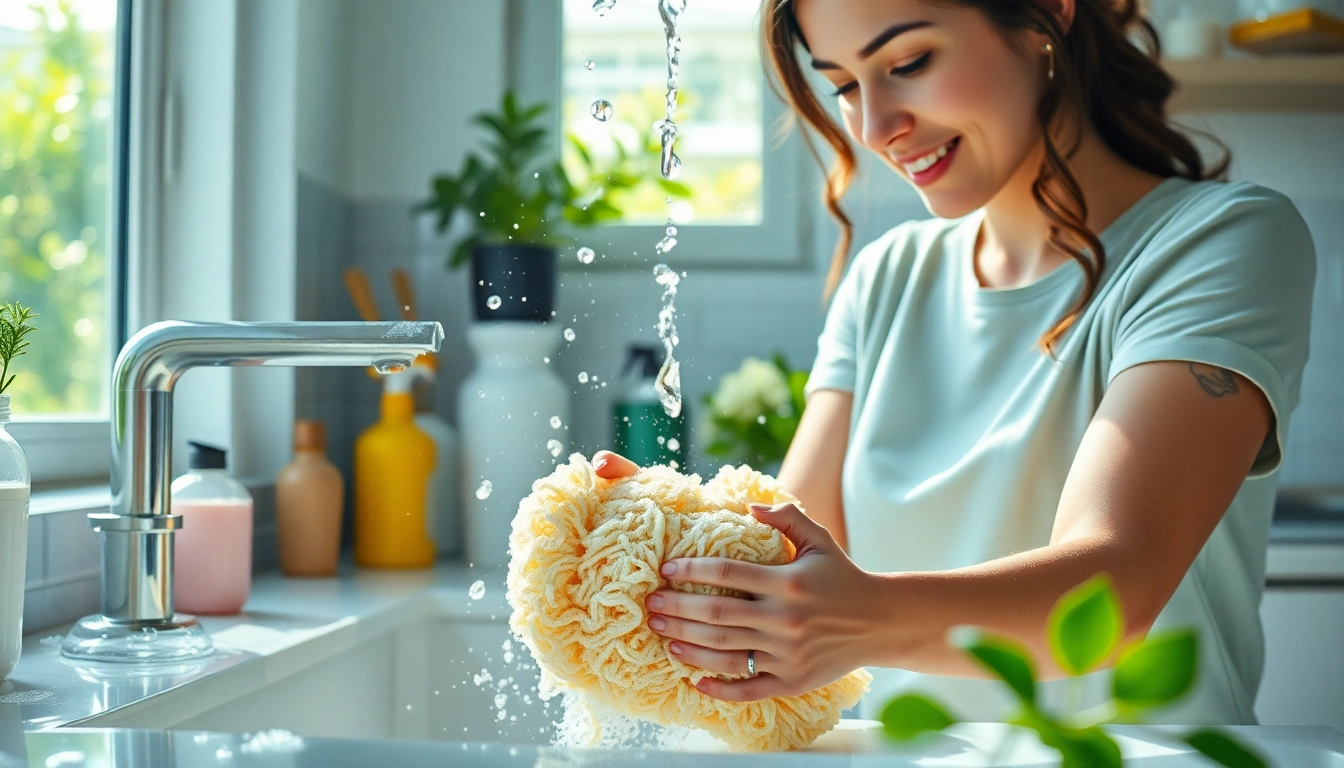
Understanding the Importance of Cleaning a Loofah
Loofahs are a beloved staple in many personal care routines, celebrated for their ability to exfoliate and cleanse. However, to maintain their efficacy and prevent any health risks, it is crucial to understand the importance of regularly cleaning them. In this article, we will explore how to clean a loofah, the hygiene concerns surrounding their use, and effective cleaning techniques.
Why Hygiene Matters
Maintaining hygiene in personal care products is paramount. Loofahs, being used directly on the skin, can become breeding grounds for bacteria, fungi, and mold if not cleaned properly. Over time, dead skin cells, soap residues, and moisture accumulate in the fibers of the loofah, creating an environment conducive to microbial growth. Not only can these pathogens cause skin irritations and infections, but they can also compromise the health of the entire household if the loofah is shared. Therefore, understanding how to clean a loofah is an essential practice for anyone who uses one.
Common Bacteria in Unclean Loofahs
Studies have shown that unclean loofahs often harbor a variety of harmful bacteria. Some of the most common include:
- Staphylococcus aureus: This strain can lead to skin infections if it enters the body through cuts or abrasions.
- Escherichia coli: Often associated with food poisoning, it can lead to gastrointestinal issues if it contaminates the skin.
- Fungal spores: Mold and mildew can thrive in damp loofahs, potentially causing respiratory issues and skin reactions.
Knowing the risks involved should encourage frequent cleaning and proper maintenance of loofahs.
Signs Your Loofah Needs Cleaning
Being aware of the signs that your loofah needs cleaning can help prevent any health issues. Look out for the following:
- Color changes: If your loofah starts to discolor or develop dark spots, it’s a sign of mold or mildew.
- Odor: A foul smell can indicate bacterial growth and should not be ignored.
- Texture changes: If the loofah feels slimy or excessively wet, this is a strong indication that it needs to be cleaned.
Regularly checking for these signs is a proactive approach to maintaining hygiene in your personal care routine.
Best Techniques on How to Clean a Loofah
Cleaning your loofah can be done effectively using several methods. Each technique has its benefits, depending on how deeply you want to clean your loofah.
Using Soap and Water
The simplest method to clean a loofah involves using soap and warm water. Here’s how you can do it:
- Rinse the loofah thoroughly under warm running water to remove soap residue and dirt.
- In a bowl, mix warm water with a few drops of mild liquid soap.
- Soak the loofah in the soapy solution for a few minutes, using your hands to knead it gently.
- Rinse under running water until the soap is fully rinsed out.
- Hang it up to dry completely, ensuring it is in a well-ventilated area.
Regular cleaning with soap and water can help reduce the bacterial load significantly.
Natural Cleaning Solutions
For those who prefer a more natural approach, there are several natural cleaning solutions you can use that are both effective and environmentally friendly:
- Baking soda: Create a paste with baking soda and water and rub it on the loofah. Rinse thoroughly.
- Lemon juice: Use lemon juice for its antibacterial properties. Apply and rinse after a few minutes.
- Essential oils: Tea tree oil or lavender oil can add an extra layer of cleanliness. Mix a few drops with water and soak the loofah.
These solutions are particularly helpful for those with sensitive skin, as they avoid harsh chemicals found in some conventional cleaning products.
Soaking Methods
For a more thorough cleaning, soaking your loofah can be particularly effective. Here are two methods you might consider:
- Vinegar soak: Mix equal parts of water and vinegar and soak the loofah for 15–20 minutes. Rinse thoroughly afterward.
- Hydrogen peroxide soak: Use one part hydrogen peroxide to three parts water and soak for a similar duration to kill harmful bacteria.
Both methods harness natural disinfecting properties, ensuring your loofah remains clean and safe for use.
How Often to Clean Your Loofah
Understanding how frequently to clean your loofah can significantly reduce the accumulation of bacteria and mold.
Recommended Cleaning Frequency
In general, you should aim to clean your loofah:
- After every use if possible, rinsing it thoroughly and hanging it up to dry.
- Deep cleaning every week using soap and water or soaking techniques.
These practices help maintain a continually safe bathing experience.
Factors Affecting Cleaning Schedules
Several factors might affect how often you need to clean your loofah:
- Humidity: In humid environments, loofahs can retain moisture longer, necessitating more frequent cleaning.
- Usage: If you use your loofah multiple times daily or share it with others, consider cleaning it more often.
- Material: Synthetic loofahs may require different cleaning techniques compared to natural ones.
Tailoring your cleaning schedule to your individual circumstances can ensure optimal hygiene.
Promoting Longevity of Your Loofah
To extend the life of your loofah and maintain its cleanliness, consider the following tips:
- Hang it in a dry area: Ensure it dries thoroughly after every use to prevent mold growth.
- Limit sharing: If possible, avoid sharing your loofah with others to reduce contamination risks.
- Monitor its condition: Regularly inspect your loofah for signs of wear, discoloration, or odor, and replace as necessary.
Implementing these practices helps ensure your loofah remains a safe and useful tool in your bathing routine.
Alternative Cleaning Tips and Tricks
In addition to the traditional cleaning methods, there are various alternative techniques that can help keep your loofah fresh and hygienic.
Using Vinegar for Deep Cleaning
Vinegar is a natural disinfectant and deodorizer, making it an ideal cleaning agent for your loofah. To use it:
- Mix equal parts white vinegar and water in a bowl.
- Soak the loofah for 15-30 minutes.
- Rinse thoroughly and hang to dry.
This method not only cleans but also neutralizes odors, leaving your loofah fresh and clean.
Microwave Method for Sanitization
If your loofah is microwave-safe, this method can effectively kill bacteria:
- Dampen your loofah and place it in the microwave for 1-2 minutes.
- Allow it to cool before removing, as it will be hot.
Ensure to do this for natural loofahs, as synthetic materials might melt or release toxins.
Drying and Storage Best Practices
Proper drying is crucial in preventing mold and bacterial growth. Here’s how to do it right:
- Hang it up: Use a hook or suction cup in your shower to hang the loofah for maximum air circulation.
- Avoid closed spaces: Do not store your loofah in a wet environment like a shower caddy.
- Use a loofah holder: Consider using a holder designed to promote airflow around the loofah.
By ensuring proper drying and storage, you can enhance the longevity of your loofah and maintain its cleanliness.
FAQs About Cleaning a Loofah
Can I put my loofah in the washing machine?
It’s not recommended as it can damage the fabric and reduce effectiveness.
How long does a loofah last?
Depending on care, a loofah can last 3-4 weeks before needing replacement.
Will boiling my loofah really disinfect it?
Boiling can kill bacteria and germs; just ensure the loofah material can handle high heat.
What’s the best way to dry my loofah?
Hang it in a dry, ventilated area to prevent mold and bacteria growth.
Can I use bleach to clean my loofah?
It’s best to avoid bleach, as it may damage the loofah and leave harmful residues.