Introduction to Sheet Metal Training
Sheet metal training is a critical aspect of the manufacturing and construction industry. It encompasses a variety of skills—ranging from basic metalworking techniques to advanced fabrication methods—that empower individuals to work on a wide array of projects, including HVAC systems, automotive parts, and custom fabrications. For those interested in pursuing a career in this field, understanding the fundamentals and techniques involved in sheet metal training is paramount.
The Importance of Sheet Metal Training
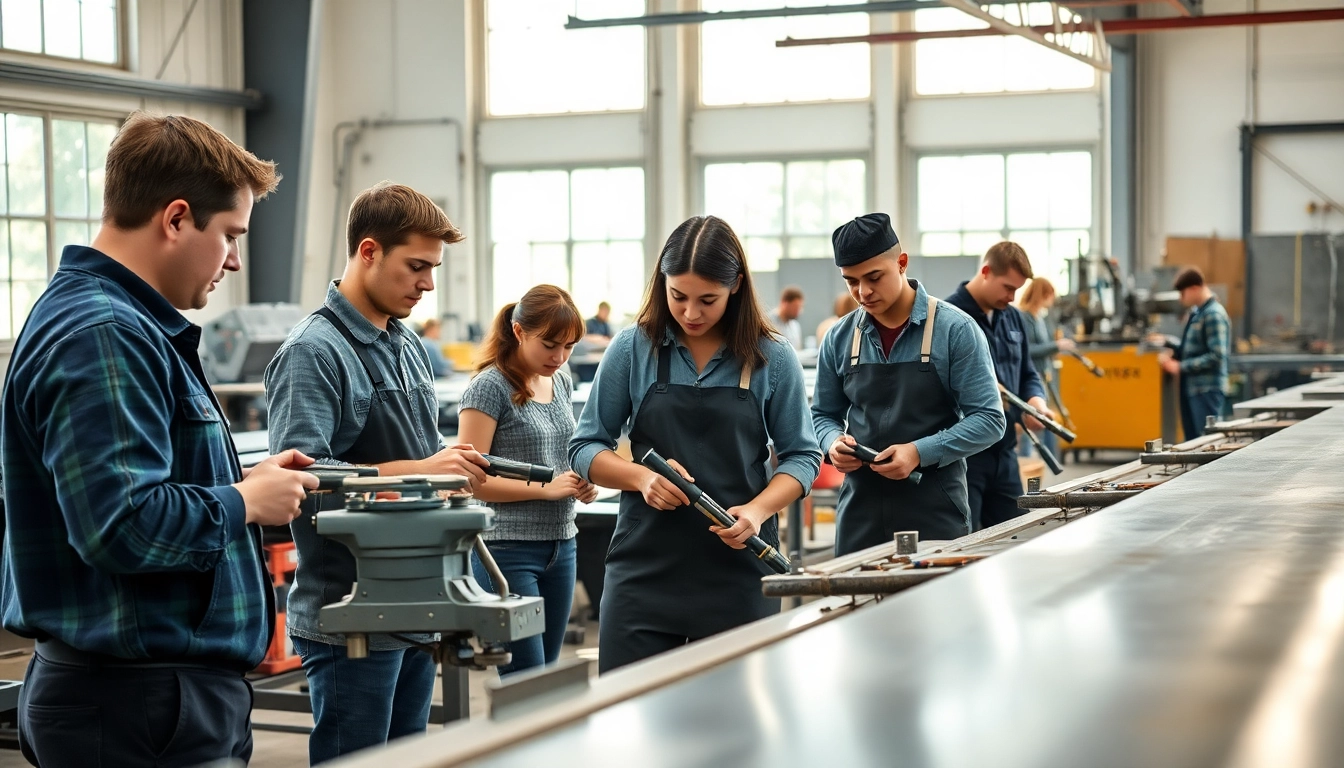
As industries continue to evolve, the importance of specialized training in sheet metal work has grown significantly. Skilled labor is in demand, and employers are looking for individuals who can demonstrate both practical experience and a solid understanding of the requisite techniques. Sheet metal training provides learners with hands-on experience as well as theoretical knowledge, ensuring a well-rounded education that translates directly into job readiness.
Overview of Skills Acquired
During sheet metal training, individuals acquire a variety of essential skills. These include but are not limited to:
- Blueprint Reading: Understanding technical drawings and specifications.
- Material Processing: Skills in cutting, bending, and forming metals.
- Welding Techniques: Training in various welding processes, including MIG and TIG.
- Installation Skills: Practical skills in installing sheet metal components.
- Safety Protocols: Knowledge of industry-standard safety practices to ensure a safe working environment.
Career Opportunities in Sheet Metal Work
The expansive applications of sheet metal work open numerous career avenues for trained professionals. Potential career paths include roles as:
- Sheet Metal Worker
- Fabrication Technician
- HVAC Installer
- Welding Technician
- Manufacturing Engineer
These roles not only offer competitive salaries but also provide opportunities for career growth within the manufacturing sector.
Fundamentals of Sheet Metal Engineering
Understanding Sheet Metal Types and Properties
Different types of sheet metal have unique properties that dictate their appropriateness for various applications. Common materials include:
- Aluminum: Lightweight and resistant to corrosion, often used in automotive and aerospace applications.
- Steel: Durable and strong, making it the most common metal in construction.
- Copper: Excellent conductivity makes it ideal for electrical components.
- Stainless Steel: Resistant to rust and corrosion, perfect for environments where hygiene is critical.
Understanding these properties is essential for selecting the right material for specific projects.
Key Tools and Equipment Used
Sheet metal training involves familiarization with a variety of tools and equipment. Key tools include:
- Shears: For cutting sheet metal accurately.
- Brake Press: Used for bending metal sheets to required angles.
- TIG/MIG Welders: Essential for joining metals through welding.
- Drilling Machines: For creating holes in metal sheets as required in components.
- Power Tools: Such as grinders and saws for enhancing efficiency.
Basic Techniques in Sheet Metal Training
Basic techniques form the foundation of any successful sheet metal training program. Key techniques include:
- Cutting: Using tools like shears for precise cuts.
- Bending: Employing brake presses to shape metal sheets accurately.
- Joining: Mastering welding techniques to ensure durability.
- Finishing: Techniques for smoothing and polishing surfaces to achieve professional results.
Advanced Techniques in Sheet Metal Training
Precision Cutting and Shaping Methods
Precision-cutting techniques are vital for improving accuracy and efficiency in sheet metal working. Advanced methods include using laser cutting systems, which provide clean edges and accurate cuts. Additionally, CNC (Computer Numerical Control) machines allow for repetitive operations with minimal margins of error, enabling higher production rates and quality control.
Welding and Joining Techniques
The ability to perform various welding techniques is essential for anyone looking to excel in sheet metal work. Important methods include:
- MIG Welding: Effective for a variety of metals and is widely used in the industry.
- TIG Welding: Provides high-quality welds and is ideal for thinner materials.
- Spot Welding: Best for quick joining of metals in production setups.
Each method has specific applications and benefits, making versatility in welding techniques a significant asset.
Finishing Techniques for Professional Results
Finishing touches, such as sanding, polishing, and applying protective coatings, enhance the aesthetic and functional qualities of metal products. Techniques like powder coating and anodizing add durability, while also providing a visually appealing finish that can be crucial for customer satisfaction.
Safety Protocols in Sheet Metal Training
Essential Safety Gear and Equipment
Safety is paramount in sheet metal training environments. Essential personal protective equipment (PPE) includes:
- Safety Goggles: Protect against flying debris.
- Gloves: To prevent cuts and abrasions.
- Hearing Protection: Critical in high-noise environments.
- Respirators: Necessary when working with fumes or dust.
Wearing the correct safety gear is not just recommended; it is mandatory to ensure a safe working environment.
Common Safety Hazards and How to Mitigate Them
Common hazards in sheet metal working include cuts, burns, and injuries from machinery. Measures to mitigate these risks include:
- Providing proper training on equipment use.
- Implementing regular safety drills and maintenance schedules.
- Establishing clear operational guidelines to minimize accidents.
Creating a Safe Training Environment
A safe training environment fosters effective learning and promotes confidence in skills. This involves maintaining clean workspaces, organizing tools efficiently, and ensuring that emergency procedures are clearly posted and practiced. Regularly reviewing safety protocols helps to instill a culture of safety within the training program.
Future Trends and Innovations in Sheet Metal Training
Technology Integration in Training Programs
Embracing technology in sheet metal training is set to revolutionize the learning experience. Incorporating virtual reality (VR) simulations, for instance, allows students to practice skills in a safe, controlled environment. Additionally, computer-assisted design (CAD) software enhances understanding of complex designs, preparing trainees for real-world applications.
Sustainability Practices in Sheet Metal Work
As sustainability becomes increasingly important across industries, sheet metal training programs are beginning to integrate eco-friendly practices, such as material recycling and energy-efficient manufacturing methods. Training future professionals to consider their environmental impact is not only beneficial for the planet but also aligns with industry demands.
Preparing for Future Industry Changes
The sheet metal industry is continually evolving, driven by technological advancements and market trends. Training programs must stay abreast of these changes to ensure that graduates are equipped with the latest skills and knowledge. By investing in ongoing education and professional development, individuals can remain competitive in a fast-paced environment.
Frequently Asked Questions
1. What does sheet metal training entail?
Sheet metal training includes learning skills in cutting, bending, welding, and finishing metal sheets, along with safety practices and equipment usage.
2. Are there any certifications for sheet metal workers?
Yes, various certifications are available for sheet metal workers, including those offered by the National Center for Construction Education and Research (NCCER).
3. How long does sheet metal training typically take?
Training durations can vary, but most programs last between 6 months to 2 years, depending on the depth and certification levels.
4. What career options are available after training?
Career options include roles such as fabrication technician, welding specialist, HVAC technician, and manufacturing engineer, among others.
5. Is prior experience required for sheet metal training?
No prior experience is usually necessary; however, a basic understanding of mathematics and mechanical aptitude can be beneficial.