
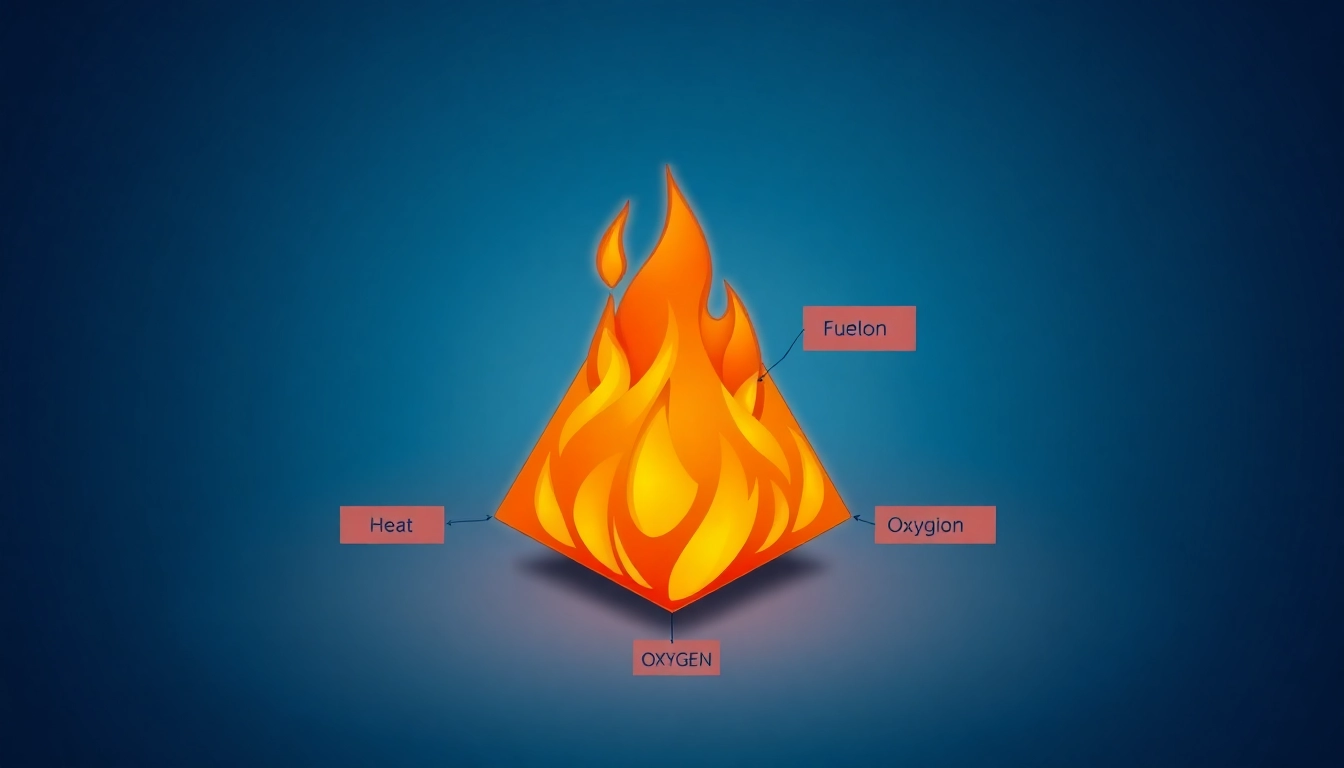
Introduction to Fire Tetrahedron
Fire safety is a critical consideration in both residential and industrial settings. Understanding the fundamental principles behind fire behavior is pivotal for effective prevention and response strategies. One essential concept in fire safety is the fire tetrahedron, which outlines the necessary elements required to initiate and sustain a fire. This comprehensive article explores the fire tetrahedron in detail, addressing its elements, importance, applications in fire prevention, and answering common questions about fire safety.
What is the Fire Tetrahedron?
The fire tetrahedron is a model that illustrates the four essential elements required for fire to occur: heat, fuel, oxygen, and a chemical reaction. Each component interacts with the others to sustain a fire. The tetrahedron emphasizes understanding the interplay between these elements to develop strategies for preventing and extinguishing fire.
The Importance of Fire Tetrahedron
Grasping the concept of the fire tetrahedron is vital for various stakeholders, including safety professionals, firefighters, and anyone concerned about fire risk. By recognizing how each element contributes to fire behavior, individuals can develop more effective risk assessments and mitigation strategies. Understanding this framework can also enhance training programs, ensuring that safety protocols are grounded in sound science.
Key Concepts in Fire Safety
Fire safety encompasses various practices aimed at preventing or minimizing fire damage and injury. Key concepts include understanding ignition sources, types of fuels, the role of oxygen in combustion, and the significance of chemical reactions during a fire. The fire tetrahedron serves as a foundational tool to simplify these concepts and illustrate their interdependence.
Elements of the Fire Tetrahedron
Heat: The Ignition Source
Heat is the energy source required to raise the material to its ignition temperature. This energy can come from various sources, including electrical sparks, open flames, and mechanical effects. Understanding the conditions that lead to heat accumulation is crucial for fire prevention strategies. Implementing thermal barriers, maintaining equipment, and controlling potential heat sources are effective measures.
Fuel: The Burning Material
Fuel refers to the combustible materials that can support a fire. Fuels can be classified into solid (wood, paper), liquid (gasoline, oils), and gaseous (propane, natural gas). Effective fire management includes identifying potential fuel sources within an environment and reducing or eliminating them as necessary. Regular hazard assessments can help recognize and mitigate risks associated with fuels.
Oxygen: The Support for Combustion
Oxygen is required to sustain combustion. The air we breathe consists of approximately 21% oxygen, which is often sufficient to support fire. In some instances, higher concentrations can be found in specific environments, increasing the Fire’s propensity to grow rapidly. Controlling oxygen levels through ventilation and proper storage of combustibles can significantly reduce fire risk.
Understanding Fire Dynamics
The Role of Chemical Reactions
At the core of combustion is the chemical reaction between the fuel and oxygen. When the fuel reaches its ignition temperature, a reaction occurs, releasing energy in the form of heat and light. Understanding the chemistry of combustion helps emergency responders predict fire behavior, making it essential for training and safety protocols.
Interactions Between the Elements
The interaction between heat, fuel, and oxygen is the foundation of fire dynamics. Each element affects the others; for example, a reduction in oxygen levels can slow down or extinguish a fire, while the introduction of more heat can increase the fire’s intensity. This interconnectedness underscores the importance of a comprehensive understanding of the fire tetrahedron in both emergency response and fire prevention.
Impact on Fire Behavior
Fire behavior can vary widely based on the conditions of the environment, the type of fuel, and how the elements of the tetrahedron interact. Understanding these behaviors enables the development of effective fire response strategies and improved safety measures. For instance, knowing the expected rate of spread in different materials can help in devising evacuation plans and response protocols.
Applications in Fire Prevention
Using the Fire Tetrahedron in Risk Assessments
Incorporating the fire tetrahedron into risk assessment processes allows organizations to identify potential fire hazards systematically. By evaluating the presence and interrelationships of heat sources, fuel, and oxygen, fire safety audits can prioritize mitigation measures effectively. This proactive approach minimizes the potential for fire incidents and enhances overall safety.
Creating Effective Fire Prevention Strategies
Fire prevention strategies should be grounded in knowledge of the fire tetrahedron. Organizations can implement fire prevention plans that include eliminating fuels, controlling heat sources, and managing oxygen levels through proper ventilation. Regular training and drills based on these principles ensure that staff is well prepared to respond to potential fire hazards effectively.
Case Studies of Fire Safety Implementation
Numerous successful fire safety implementations illustrate the impact of understanding the fire tetrahedron. For instance, a manufacturing facility that identified and removed flammable materials from its work environment experienced a significant reduction in fire incidents. Another case involved a residential community that improved fire safety by educating residents about the importance of managing household oxygen sources. These examples highlight how understanding the tetrahedron can guide effective safety initiatives.
FAQs about the Fire Tetrahedron
What are the four elements of the fire tetrahedron?
The four elements of the fire tetrahedron are heat, fuel, oxygen, and a chemical reaction. Each element must be present for a fire to ignite and continue burning.
How does the fire tetrahedron apply to fire safety?
The fire tetrahedron helps identify the necessary elements for fire to occur, guiding prevention strategies. By removing one element, the risk of fire can be significantly decreased.
Can fire be extinguished by removing one of the tetrahedron’s elements?
Yes, removing any one of the four elements—heat, fuel, oxygen, or the chemical reaction—can extinguish a fire. Effective firefighting strategies often aim to eliminate one or more of these components.
What is the relationship between the fire tetrahedron and fire extinguishers?
Fire extinguishers target specific elements of the fire tetrahedron. For example, they can remove heat through water or suppress oxygen using chemical agents, effectively disrupting the fire’s ability to sustain itself.
Why is understanding the fire tetrahedron important for safety training?
Understanding the fire tetrahedron is essential for safety training as it empowers individuals to recognize fire risks and respond appropriately. This foundational knowledge enhances preparedness and risk reduction efforts.