
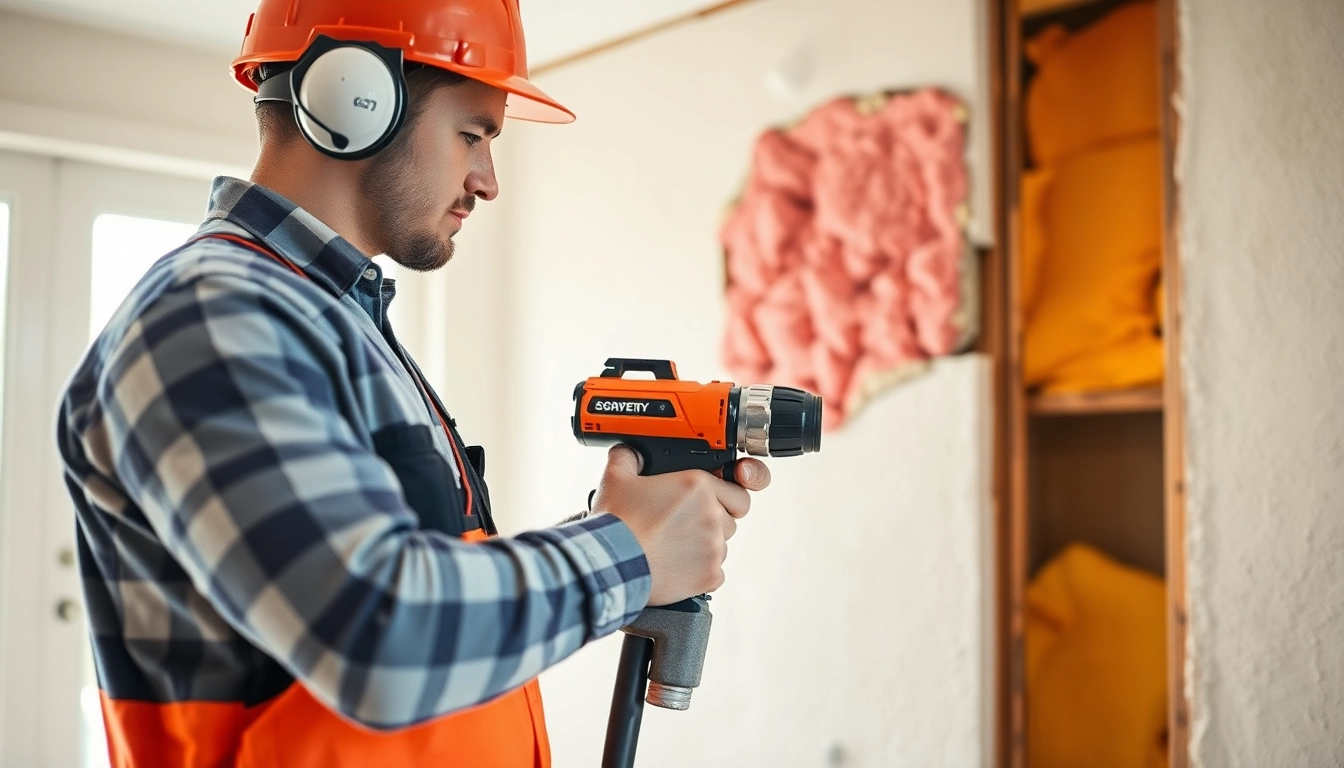
1. Introduction to Spray Foam Insulation Removal Cost
When it comes to home insulation, spray foam is regarded as one of the most efficient options available today. However, there may come a time when you find it necessary to remove this insulation, whether it’s due to damage, upgrading your insulation type, or adverse effects on indoor air quality. Understanding the spray foam insulation removal cost is crucial for homeowners looking to make informed decisions.
1.1 What Is Spray Foam Insulation?
Spray foam insulation is a type of insulation material that starts as a liquid and expands into a solid foam upon application. It adheres to surfaces, providing a tight seal that helps to prevent air leakage, making it highly effective for energy efficiency. This type of insulation is known for its superior performance compared to traditional fiberglass insulation, as it fills gaps and cracks better, optimizing thermal protection.
1.2 Why Consider Removal?
There are several reasons why homeowners might opt for the removal of spray foam insulation. Common reasons include:
- Damage or Deterioration: Over time, insulation can become damaged due to moisture, pests, or physical wear.
- Health Concerns: Certain formulations of spray foam can emit toxins or irritants, which can degrade indoor air quality.
- Renovations: If you are undergoing major renovations where insulation needs to be altered or replaced, removal is often necessary.
- Energy Efficiency Upgrades: Homeowners may want to upgrade to newer insulation technologies that provide better performance.
1.3 Factors Influencing Costs
The cost of removing spray foam insulation can vary based on several factors, including the size of the area, the type of spray foam used, and the complexity of the removal process. It’s essential to take these variables into account to estimate the total expense accurately.
2. Cost Breakdown of Spray Foam Insulation Removal
2.1 Materials and Supplies Needed
Removing spray foam insulation requires specific tools and materials, which can influence overall costs. These often include:
- Cutting Tools: Utility knives or oscillating tools for cutting away the foam.
- Personal Protective Equipment (PPE): Masks, goggles, gloves, and coveralls to ensure safety during removal.
- Waste Removal Bags: Durable bags for disposing of removed materials.
- Sealants or Barriers: To cover areas once the insulation has been removed.
2.2 Labor Costs
Labor costs typically make up a significant portion of the removal expense. The rates can vary based on geographic location and the experience level of the contractors involved. Professional labor may cost between $50 to $100 per hour, depending on the complexity and scope of the removal project.
2.3 Additional Fees and Charges
There might also be additional fees associated with the removal process, such as:
- Disposal Fees: Costs for disposing of hazardous materials, especially if the insulation is contaminated.
- Site Preparation Costs: Fees for preparing the site for the removal process that could include covering floors or moving furniture.
- Contingencies: Unexpected complications may arise during removal, leading to increased costs.
3. Factors Affecting Spray Foam Insulation Removal Cost
3.1 Size of the Area
The size of the area that needs to be insulated directly influences the overall cost. Larger spaces require more materials, labor, and time, resulting in higher expenses. Measurement and evaluation should be conducted to ascertain full removal requirements.
3.2 Type and Condition of Insulation
Different types of spray foam insulation have varying removal challenges. Open-cell and closed-cell foams have different properties and may require different techniques for removal. Additionally, if the insulation is old or damaged, its removal may be more labor-intensive, impacting overall costs.
3.3 Geographic Location
Costs can vary significantly depending on where your property is located. Urban areas may see higher labor rates compared to rural regions. Additionally, local regulations regarding hazardous materials disposal can add to costs if the spray foam is deemed hazardous.
4. Best Practices for Minimizing Costs
4.1 Hiring Professionals vs. DIY
While DIY removal might seem appealing to save costs, it’s essential to consider safety and expertise. Professionals not only have the tools and experience but also provide a guarantee for their work. An improper removal can lead to further costs associated with damage or health issues, making hiring a qualified professional a worthwhile investment.
4.2 Timely Removal to Save Money
Addressing insulation removal promptly can prevent further complications such as water damage or pest infestations, which can escalate costs. Planning the removal at the right time, especially if it coincides with renovation projects, can lead to overall savings.
4.3 Comparing Quotes Effectively
Gather quotes from multiple service providers and compare what services are included. Ensure that prospective contractors outline labor costs, materials, and any additional fees clearly. Seeking detailed breakdowns can provide better clarity on where costs arise and help you choose the best option.
5. Frequently Asked Questions
5.1 What is the average cost for removal?
The average cost for spray foam insulation removal varies widely, typically ranging from $1 to $3 per square foot, depending on several influencing factors.
5.2 Can I remove spray foam insulation myself?
It is possible to remove spray foam insulation yourself; however, it is highly recommended to hire professionals due to safety concerns and specialized equipment needed for effective removal.
5.3 What safety measures should I take during removal?
During removal, it is crucial to wear proper PPE, including masks, goggles, and gloves, and ensure good ventilation in the work area to minimize exposure to harmful substances.
5.4 How long does the removal process take?
The time required for spray foam insulation removal can vary based on the area size and complexity but typically takes between a few hours to a couple of days.
5.5 What are the signs that my spray foam insulation needs to be removed?
Signs include mold growth, water damage, unpleasant odors, or visible deterioration, indicating that the insulation may pose health risks and require removal.