
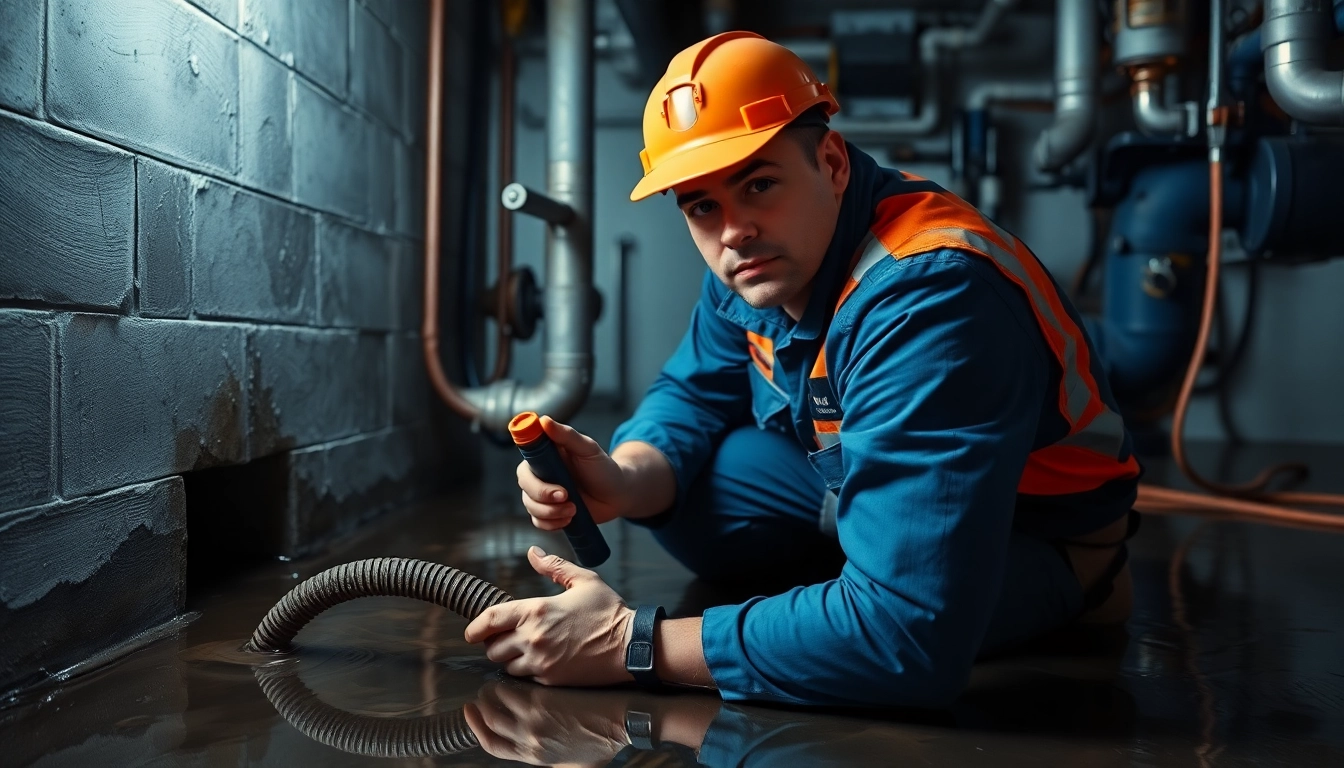
Understanding Sewer Backups: Common Causes and Signs
There are few plumbing issues as disruptive as a sewer backup. It can affect not only your plumbing system but also your overall living conditions. Understanding what a sewer backup is and how to identify it can save you from severe damage and costly repairs. If you’re facing a situation that requires emergency plumbing help for sewer backup, knowing the common causes and signs of a backup can prepare you for what to expect.
What is a Sewer Backup?
A sewer backup occurs when wastewater flows back into your home rather than exiting through the sewer line. This situation can arise due to blockages, broken pipes, or overwhelming rainfall that surpasses the sewer system’s capacity. It creates a significant health hazard and can lead to extensive property damage if not addressed immediately.
Key Indicators of a Sewer Backup
- Unpleasant Odors: Foul smells emanating from drains or toilets can indicate that sewage is backing up.
- Multiple Clogged Drains: If several drains in your home are clogged simultaneously, it’s often a sign of a sewer backup.
- Gurgling Sounds: Strange noises coming from your plumbing when you flush toilets or drain sinks may suggest a blockage in the sewer line.
- Water Pooling: Puddles near the sewer line or in your basement can indicate a serious backup issue.
Common Causes of Sewer Backups in NYC
In New York City, several specific factors can contribute to sewer backups:
- Tree Roots: Roots from nearby trees can infiltrate sewer lines, causing clogs and significant damage.
- Heavy Rainfall: Excessive rainfall can overwhelm the sewage system, leading to backups in homes and buildings.
- Grease Buildup: Pouring grease down the drain can lead to blockages, particularly in older plumbing systems.
- Debris: Non-biodegradable items flushed down toilets or washed down sinks can create severe blockages.
The Importance of Immediate Response to Sewer Backups
When a sewer backup occurs, the clock starts ticking. The longer you wait to address the issue, the more damage can ensue. Rapid action is crucial for minimizing risks and preventing extensive repairs.
Why Every Minute Counts in a Plumbing Emergency
Every moment a sewer backup remains unaddressed can lead to worsening conditions. Water damage can escalate, affecting your flooring, walls, and personal belongings. Quick action can prevent a manageable situation from becoming a disastrous one.
Potential Damages from Delayed Action
Ignoring a sewer backup can have significant repercussions:
- Structural Damage: Prolonged exposure to sewage can weaken your home’s structure, leading to costly repairs.
- Mold Growth: Damp conditions provide a breeding ground for mold, which poses health risks and complicates cleanup.
- Health Hazards: Sewage contains harmful bacteria and pathogens that can affect your health and that of your family.
Health Risks Associated with Sewer Backups
Health concerns stemming from sewage exposure include gastrointestinal infections, respiratory issues, and skin irritations. Protecting yourself and your family from these risks is paramount during a sewer backup.
How to Handle a Sewer Backup Crisis: Step-by-Step Guide
When faced with a sewer backup, knowing how to respond can make a significant difference. Here’s a step-by-step guide to managing the crisis effectively.
Initial Actions to Take Before the Plumber Arrives
- Stop Using Water: Cease all water usage in your home to prevent further backups.
- Turn Off the Water Supply: If possible, shut off your main water valve to limit water flow.
- Evacuate Affected Areas: Stay clear of contaminated areas to minimize health risks.
- Document the Damage: Take photos of any visible damage for insurance purposes.
Choosing the Right Emergency Plumbing Help
Selecting a reliable emergency plumber is crucial. Ensure that the service is licensed, insured, and has positive reviews. A trustworthy plumber will respond quickly and assess the situation accurately.
What to Expect During the Repair Process
Once help arrives, the plumber will typically:
- Analyze the cause of the backup.
- Clear blockages using specialized tools.
- Inspect the plumbing system for any underlying issues.
- Provide a detailed report of the situation and necessary repairs.
Preventive Measures for Future Sewer Backup Issues
Taking proactive steps can significantly reduce the likelihood of future sewer backups.
Regular Maintenance to Avoid Sewer Backups
Regular inspections and maintenance of your plumbing system are essential. Schedule routine check-ups with a licensed plumber to catch potential issues before they escalate.
Best Practices for Homeowners in NYC
As a homeowner in NYC, consider the following best practices:
- Avoid Flushing Non-Biodegradable Items: Only flush toilet paper and human waste.
- Manage Grease Properly: Dispose of cooking grease in the trash, not down the drain.
- Maintain Landscaping: Keep tree roots at bay by planting trees away from sewer lines.
Identifying and Repairing Vulnerable Areas in Your Plumbing
Perform a thorough inspection of your plumbing system to identify any weak points. Look for older pipes that may be prone to leaks or corrosion and consider replacing them to prevent future issues.
Choosing the Right Emergency Plumbing Service in NYC
When plumbing emergencies arise, having quick access to the right service can save you time and money. Here’s how to choose the best emergency plumbing service in NYC.
What to Look for in a Licensed Plumber
Ensure that the plumber is licensed and insured. Check their experience, certifications, and customer service policies to gauge their reliability.
Comparing Pricing and Services Effectively
Get quotes from multiple plumbing services. Look for transparent pricing with no hidden fees and compare the scope of services offered.
Reading Reviews and Testimonials for Trustworthiness
Check online reviews and customer testimonials to assess the trustworthiness of a plumbing service. Positive feedback from past clients can provide valuable insights into their reliability and expertise.