
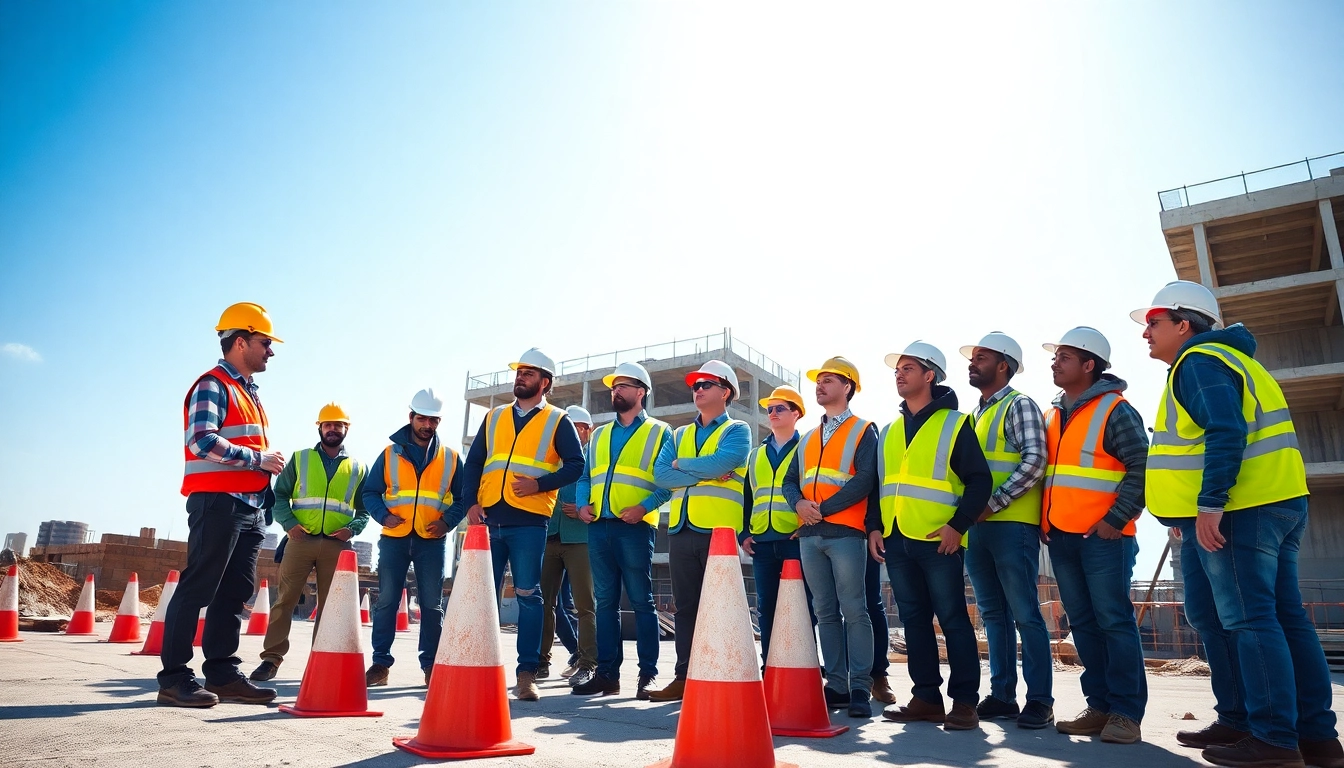
Understanding the Importance of Construction Safety Training
Defining Construction Safety Training
Construction safety training encompasses a range of educational programs designed to equip workers with the skills and knowledge needed to operate safely on construction sites. This training is vital for ensuring compliance with safety regulations and for fostering a culture of safety within the workplace. Workers learn how to identify hazards, properly use safety equipment, and apply safe work practices across various construction tasks. A solid construction safety training program is not only about following legal mandates but also about protecting lives and improving workforce morale.
Why Safety Training is Crucial
Safety training is crucial for multiple reasons. Firstly, it significantly reduces the likelihood of accidents and injuries on the job site. Construction sites are inherently hazardous environments, with risks such as falls, electrical shocks, equipment mishaps, and exposure to toxic substances. Effective training empowers workers to recognize these hazards and adopt safe behaviors.
Additionally, organizations that prioritize safety training often see enhanced productivity. A well-trained workforce can execute tasks more efficiently, reducing downtime due to accidents. Furthermore, companies may benefit from lower insurance premiums and fewer liability claims resulting from workplace injuries.
Common Hazards and Safety Protocols
Common hazards found in construction environments include:
- Falls: Often considered the most significant risk, falls can occur from heights, ladders, or scaffolding. Safety protocols include the use of guardrails, harnesses, and proper ladder safety measures.
- Electrocution: Workers are at risk from overhead or underground power lines. Training on the proper use of electrical tools, as well as understanding electrical hazards, is essential.
- Struck-By Incidents: This can involve falling objects or machinery. Safety measures include the use of hard hats and ensuring that the work area is free of hazards.
- Tool Safety: Incorrect use of tools can lead to severe injuries. Training includes proper handling, maintenance, and storage of tools.
- Hazardous Material Exposure: Workers may come into contact with harmful substances, necessitating safety data sheets and protocols for handling chemicals.
Comprehensive safety training programs highlight these hazards and provide protocols for mitigating risks effectively.
Key Components of Effective Safety Training Programs
Curriculum Development for Safety Training
Developing a robust safety training curriculum requires a clear understanding of the unique hazards associated with a specific construction environment. This involves conducting a thorough risk assessment and engaging industry experts to tailor the program content. A well-structured curriculum should blend theoretical knowledge with practical skills, often incorporating case studies and real-world scenarios that learners may encounter on-site.
Additionally, training should be aligned with local, state, and federal regulations to ensure compliance. Regularly updating the curriculum is essential to include the latest safety standards, technological advancements, and emerging best practices.
Engaging Training Methods
To maximize retention and engagement, it is important to employ diverse training methods. Traditional classroom instruction may be supplemented with hands-on training, workshops, and simulation exercises that mimic real-world scenarios. Incorporating interactive elements such as role-playing, discussions, and group projects fosters a collaborative learning environment.
Utilizing storytelling and video demonstrations can also enhance understanding and recall. When workers can see real-life applications and outcomes, they are more likely to internalize the lessons learned. Moreover, engaging learning methods ensure that safety training is not perceived as a mundane task but rather as a valuable investment in their personal safety.
Utilizing Technology in Safety Training
Technology plays a pivotal role in modernizing safety training programs. Virtual Reality (VR) and Augmented Reality (AR) provide immersive experiences that allow workers to practice safety procedures in a controlled environment. These technologies enable trainees to make mistakes and learn from them without the risk of injury.
Additionally, e-learning platforms and mobile applications can deliver training modules anytime and anywhere, making safety education more accessible. Online assessments and gamified learning experiences further enhance engagement while allowing employers to track progress and performance metrics efficiently.
Implementing Construction Safety Training: Best Practices
Scheduling and Frequency of Training Sessions
Determining the optimal frequency and scheduling of safety training sessions is critical. It is essential to conduct initial training for new hires and follow it with regular refresher courses. Best practices recommend conducting safety training at least annually, with more frequent sessions for high-risk tasks.
Additionally, training should be aligned with seasonal changes and specific projects. For instance, training on fall protection may be particularly relevant prior to working on elevated platforms during the construction of high-rise buildings.
Incorporating Feedback and Continuous Improvement
Feedback from participants is invaluable for refining safety training programs. Surveys, interviews, and focus groups can offer insights into the effectiveness of the training content and delivery methods. Encouraging open communication helps identify areas for improvement and allows workers to express their concerns regarding safety issues.
Furthermore, continuous improvement ensures that the program adapts to evolving safety standards and the unique challenges presented by different construction sites. By fostering a culture that values safety, organizations show their commitment to investing in the well-being of their workforce.
Measuring Training Effectiveness and Outcomes
Measuring the effectiveness of safety training is essential for demonstrating the value of these programs. Implementing metrics such as accident rates, near-miss reports, and workers’ understanding as assessed through quizzes can provide concrete data on training outcomes.
Evaluating performance before and after training sessions helps gauge knowledge retention and behavioral changes. Organizations that invest in comprehensive safety training often experience fewer incidents and an overall improvement in workplace safety culture, ultimately leading to increased productivity and morale.
Overcoming Challenges in Construction Safety Training
Addressing Resistance to Training
Resistance to safety training can stem from various factors, including perceived irrelevance or time constraints. To overcome this, it is necessary to communicate the tangible benefits of training effectively. Highlighting personal stories where safety training saved lives or prevented accidents can resonate with workers and motivate participation.
Additionally, involving workers in the development of the training programs can foster ownership and a greater willingness to engage with the material. Leadership support and visible commitment to safety are also crucial in addressing resistance and ensuring buy-in from all employees.
Funding and Resource Allocation
Budget constraints may hinder the establishment of comprehensive safety training programs. However, organizations can seek to reallocate existing resources or apply for grants and funding opportunities dedicated to workplace safety. Combining training efforts with other departments can lead to cost-effective solutions.
Investing in safety training can yield a positive return on investment through reduced accident rates and lower insurance premiums. Demonstrating the cost-effectiveness of safety training can garner support from upper management and allocate necessary resources effectively.
Keeping Up with Industry Regulations
The construction industry is continually influenced by changes in regulations and best practices mandated by local and federal entities. Staying informed of these requirements is paramount for ensuring compliance and worker safety. Establishing a dedicated safety officer or team can help monitor regulatory updates and adjust training programs accordingly.
Moreover, engaging with industry associations and attending safety conferences provides opportunities for networking and learning about new regulations and innovative safety practices. Regular training updates will ensure that employees are equipped with the necessary knowledge to meet compliance standards and operate safely.
Frequently Asked Questions about Construction Safety Training
What are the key elements of a construction safety training program?
A construction safety training program should include hazard recognition, safe work practices, equipment use, emergency procedures, and ongoing assessments to ensure worker comprehension and retention.
How often should safety training be conducted?
Safety training should be conducted for new hires and as refresher courses at least annually, with more frequent sessions for higher-risk tasks and evolving worksite conditions.
What technology can enhance safety training?
Technologies like Virtual Reality (VR), Augmented Reality (AR), e-learning platforms, and mobile apps can enhance safety training by providing immersive, interactive, and easily accessible learning experiences.
How do I measure the effectiveness of safety training?
Effectiveness can be measured through metrics such as accident rates, workers’ knowledge retention via assessments, and feedback collected after training sessions to identify areas for improvement.
What should I do if workers resist safety training?
Address resistance by communicating the benefits, involving workers in program development, sharing personal stories of safety successes, and demonstrating leadership commitment to safety.