
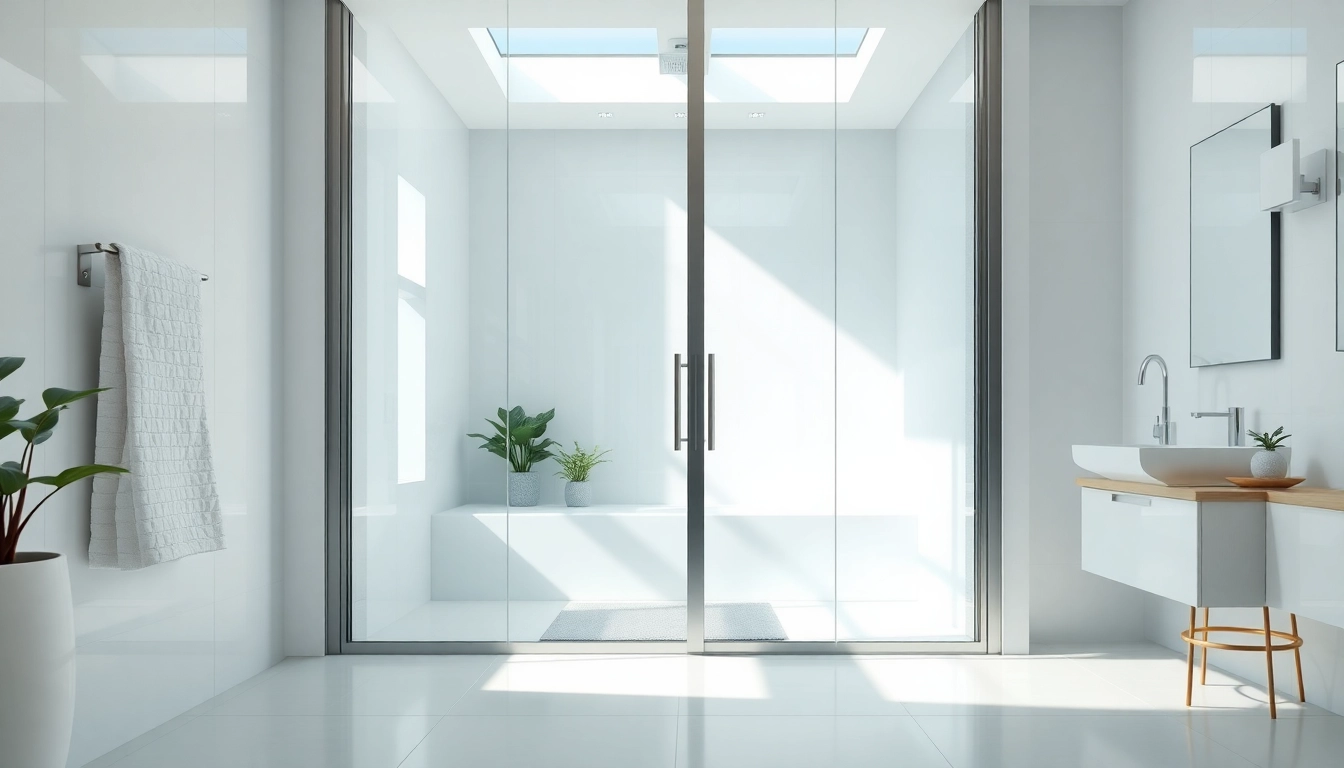
Understanding Shower Sliding Doors
What are Shower Sliding Doors?
Shower sliding doors are a popular choice for modern bathrooms, primarily due to their space-saving design and aesthetic appeal. Unlike traditional hinged doors that require ample clearance to swing open, sliding doors consist of panels that move horizontally along a track system. This functionality is particularly advantageous in smaller bathrooms, maximizing usability without compromising style. Made from glass and often framed with durable materials, shower sliding doors can easily enhance the overall look of your bathroom, creating a sleek and open environment.
Benefits of Shower Sliding Doors
Shower sliding doors offer a myriad of benefits that make them a preferred option for homeowners:
- Space Efficiency: Their sliding mechanism requires minimal space, which is especially beneficial in compact bathrooms.
- Aesthetic Appeal: Available in various designs and materials, they can elevate the look of any bathroom.
- Easy Accessibility: The smooth sliding action provides effortless access in and out of the shower.
- Improved Water Containment: Many sliding doors are engineered to prevent water leakage, keeping your bathroom dry.
- Low Maintenance: With fewer grooves and seals than framed doors, cleaning is easier and less time-consuming.
Overall, opting for shower sliding doors can significantly enhance the functionality and aesthetics of your bathroom space.
Choosing the Right Material
Materials play a crucial role in the performance, durability, and aesthetics of shower sliding doors. The most common materials include:
- Tempered Glass: Known for its safety and strength, tempered glass is resistant to breakage and can endure temperature changes.
- Frameless Glass: Provides a more modern, seamless look and is easier to clean compared to framed options.
- Framed Glass: Adding extra support, framed doors typically come in a variety of finishes and colors to match different décor styles.
- Vinyl: Often used in lower-cost options, vinyl can offer sufficient durability and is generally easier to maintain.
When selecting the appropriate material, consider factors such as safety, design preferences, and budget constraints.
Installation Considerations for Shower Sliding Doors
Pre-Installation Measurements
Before proceeding with the purchase of shower sliding doors, it is imperative to take precise measurements of your shower space. This includes measuring the width of the opening where the doors will be installed, the height from the shower base to the top of the opening, and the depth of the shower area to ensure optimal functioning. Additionally, consider the wall’s integrity and finish to determine whether modifications are necessary prior to installation.
Tools Needed for Installation
A successful installation of shower sliding doors typically requires these tools:
- Measuring tape
- Level
- Drill and drill bits
- Screwdriver
- Silicone caulk for sealing
- Stud finder (if necessary)
- Hammer and chisel (for adjustment of existing framework)
Ensuring you have the right tools before beginning will facilitate a smoother installation process.
Step-by-Step Installation Guide
Installing shower sliding doors can be a fulfilling DIY project. Here’s a step-by-step guide:
- Gather Materials: Collect all necessary tools and components outlined in your door kit.
- Prepare the Opening: Make sure the area is clean and that no obstructions will hinder the installation.
- Install the Track: Using a level, mark the track position on the wall. Drill the holes for mounting and secure the track with screws.
- Hang the Door Panels: Place the panels onto the track, ensuring they glide smoothly.
- Seal the Edges: Use silicone caulk to seal any gaps around the frame, reducing the risk of leakage.
- Final Adjustments: Make any necessary adjustments to ensure the doors close properly and align evenly.
Following these steps will help ensure a professional-grade installation of your shower sliding doors.
Common Issues with Shower Sliding Doors
Identifying Typical Problems
Like any installation, shower sliding doors can experience their share of common issues. These include:
- Water Leakage: Often caused by improper sealing or misalignment.
- Sticking Doors: Dirt or debris can accumulate on the tracks, making the doors difficult to open.
- Noise During Operation: Lubrication may be required if the tracks or rollers are dry.
- Cracks or Chips: Impact damage can compromise the integrity of the glass, making it necessary to replace panels.
Maintenance Tips for Longevity
Proper maintenance can extend the lifespan of your shower sliding doors considerably. Consider these tips:
- Regularly clean the glass with non-abrasive cleaners to prevent soap scum build-up.
- Check the tracks for debris and clean as needed to ensure smooth operation.
- Apply silicone lubricant to the rollers periodically to maintain seamless sliding.
- Inspect seals and gaskets for any signs of wear and replace them if necessary to prevent leaks.
When to Seek Professional Help
If you encounter persistent issues despite proper cleaning and maintenance, it’s advisable to consult a professional. Additionally, if you are not comfortable with installation or repair, hiring an expert can ensure correct and safe handling, protecting your investment in the long run.
Design Options for Shower Sliding Doors
Framed vs. Frameless Designs
The choice between framed and frameless shower sliding doors impacts both style and functionality:
- Framed Designs: These doors come with an aluminum framework, which can enhance durability and provide support for heavier glass panels. They can be a great option for larger shower spaces and are available in various finishes.
- Frameless Designs: Offering a sleek and modern look, frameless doors provide a sense of openness and space. They are typically made entirely of tempered glass and can create an impression of luxury. However, installation may require professional assistance due to their weight.
Color and Finish Choices
Beyond the structure, the color and finish of the shower sliding doors play a crucial role in the overall design aesthetics:
- Brushed Nickel: Offers a contemporary look and resists water spots.
- Chrome: A classic finish that exudes elegance and pairs well with a variety of bathroom styles.
- Black Matte: Becomes increasingly popular for a minimalist and sophisticated style.
Choosing the right finish can tie together your bathroom’s theme and complement other fixtures harmoniously.
Trendy Design Ideas
To maximize your bathroom’s overall design, consider the following trendy ideas for shower sliding doors:
- Textured Glass: Textured panels can provide privacy while adding an artistic element to the space.
- Sliding Bypass Doors: Allowing you to slide one door in front of the other, maximizing space efficiency.
- Custom Patterns: Engage a designer to create unique glass etchings or patterns that reflect personal style.
Investing in trendy designs can significantly enhance the visual appeal and user experience of your bathroom.
FAQs about Shower Sliding Doors
Are shower sliding doors easy to clean?
Yes, most shower sliding doors come with easy-to-clean surfaces and materials that resist water stains, simplifying maintenance.
Can shower sliding doors fit in any bathroom?
Shower sliding doors are versatile but require sufficient space. Accurate measurements are essential before purchase to ensure a proper fit.
What materials are best for shower sliding doors?
Common materials include tempered glass for safety, aluminum for durability, and vinyl for lower maintenance needs.
Do shower sliding doors need a bottom track?
While many designs include a bottom track for smooth operation, there are also trackless options available for a cleaner look.
How can I prevent water leakage from shower sliding doors?
Proper sealing and regular maintenance checks can significantly reduce the chances of leakage and ensure optimal performance.