
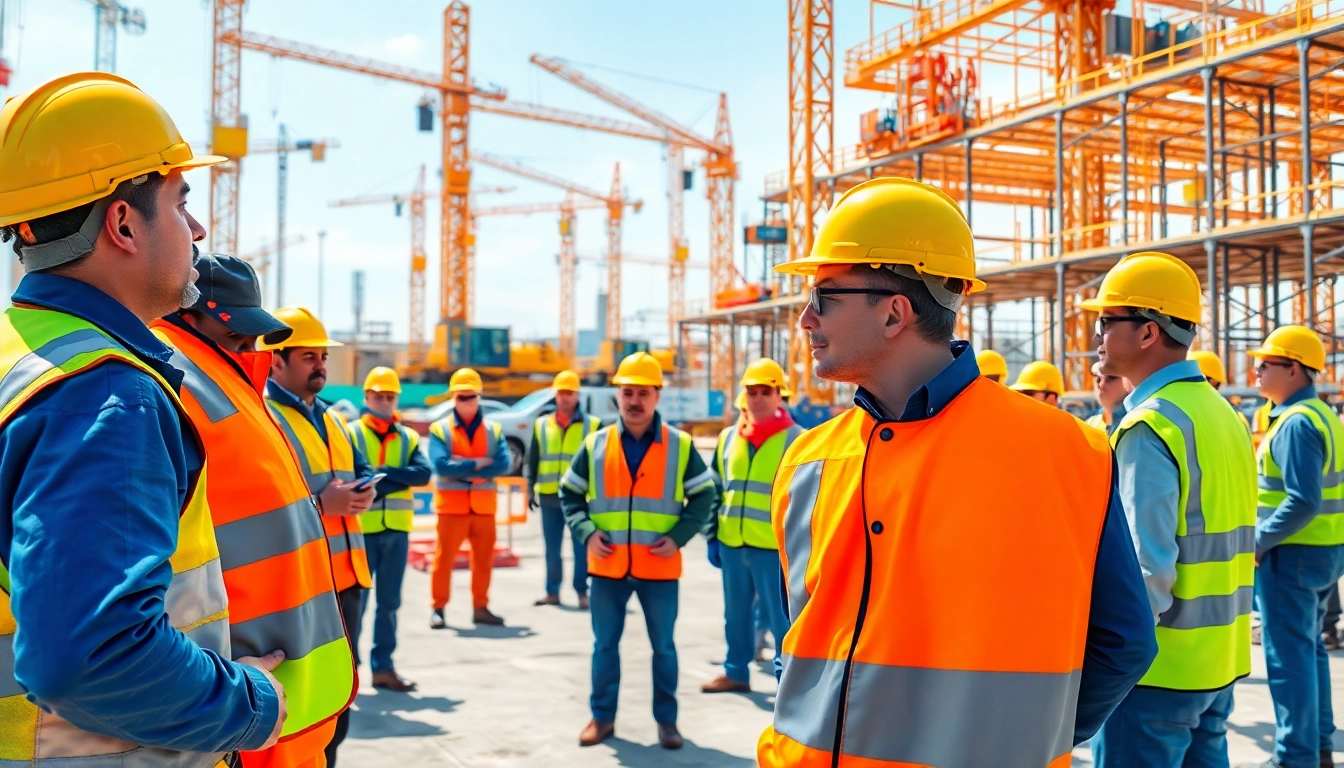
Understanding the Importance of Construction Site Safety
Construction site safety is a critical component of any building or renovation project. It encompasses a variety of measures and protocols designed to prevent accidents and protect workers, visitors, and the surrounding community from harm. For anyone involved in the construction industry, prioritizing construction site safety is not just a legal requirement; it’s an ethical responsibility that can save lives and reduce injuries.
Defining Construction Site Safety
At its core, construction site safety refers to the practices, regulations, and guidelines designed to create a safe working environment. This includes the use of personal protective equipment (PPE), safety protocols, training programs, and emergency procedures. Safety measures are often governed by federal and state regulations, which aim to minimize risks and ensure that workers can perform their tasks without unnecessary danger.
Key Statistics on Construction Site Incidents
Statistics reveal the alarming frequency of incidents on construction sites. According to various studies, the construction industry is among the most dangerous sectors, with reports indicating a significant percentage of workplace fatalities. Falls from heights, being struck by objects, and electrocution are among the leading causes of injury and death in construction. Understanding these statistics is pivotal for formulating effective safety strategies to address the common hazards present on construction sites.
Consequences of Neglecting Safety Protocols
The consequences of failing to prioritize construction site safety can be dire. Neglect can lead to severe accidents, resulting in injuries and fatalities. Beyond the human toll, neglecting safety protocols may also lead to legal ramifications, financial losses due to injury claims, and a damaged reputation for companies. On a broader scale, failures in safety can result in increased insurance premiums and project delays, negatively impacting profitability and client trust.
Essential Safety Equipment and Gear
Equipping workers with the right safety gear is foundational to maintaining a safe construction environment. Personal protective equipment, along with safety tools and technology, plays a crucial role in reducing the risk of injuries.
Personal Protective Equipment (PPE)
PPE is a fundamental element of construction site safety. Properly selected and maintained safety gear includes hard hats, safety goggles, gloves, high-visibility clothing, and harnesses for fall protection. Each type of equipment addresses specific risks associated with construction tasks. For example, hard hats protect against head injuries from falling debris, while safety glasses shield the eyes from dust and flying particles. Regular inspections and proper training on how to use PPE are essential to maximize its effectiveness.
Tools and Technology for Safety
In addition to PPE, enhancements in technology have paved the way for advanced safety tools that improve site protection. Devices like drones for site inspections, wearable technology that monitors workers’ vital signs, and automated machinery can significantly reduce potential accidents. Investing in such innovations not only supports safety but also enhances operational efficiency on construction sites.
Regular Maintenance of Safety Equipment
Ensuring that safety equipment is properly maintained is paramount to its effectiveness. Regular inspections and maintenance schedules must be established to identify any wear or failure in equipment. For instance, harnesses, helmets, and other PPE need periodic checks, including cleaning and replacing damaged items, to ensure that they continue to offer protection. Establishing a clear protocol for equipment maintenance can help avert accidents and maintain compliance with safety standards.
Training and Awareness for Workers
Equipping workers with the necessary skills to operate safely is as crucial as providing them with protective gear. A comprehensive training program can improve awareness of potential hazards, proper equipment use, and emergency response options.
Conducting Safety Training Programs
Regularly scheduled safety training programs should be mandatory for all workers on construction sites. These programs can cover critical topics such as hazard recognition, safe operation of machinery, and the correct use of PPE. Interactive training sessions, hands-on practice, and role-playing scenarios can enhance engagement and retention of information. Furthermore, refresher courses should be conducted periodically to reinforce safety practices and introduce new procedures or equipment.
Promoting a Safety Culture on Site
Creating a safety culture on-site requires collaboration and commitment from all team members. Management should lead by example, emphasizing the importance of safety through regular communication and recognition of safe behaviors. Encouraging workers to speak up about safety concerns without fear of repercussions can foster a proactive approach to risk management. Safety meetings and open discussions about incidents can also contribute to a shared responsibility for maintaining a safe workplace.
Monitoring and Evaluating Training Effectiveness
Evaluating the effectiveness of safety training programs is essential for continuous improvement. This can be done through quizzes, hands-on assessments, or observing workers in their tasks. Collecting feedback from participants can also provide insights into the program’s impact and areas needing enhancement. By regularly assessing training outcomes, construction companies can ensure that their workforce remains informed and capable of adhering to safety protocols confidently.
Common Safety Risks and How to Mitigate Them
Understanding the common risks on construction sites is vital for developing effective mitigation strategies. A proactive approach to identifying hazards can significantly reduce the likelihood of accidents.
Identifying Hazards on the Job Site
Identifying and assessing hazards should be an integral part of planning any construction project. This includes regularly conducting site inspections to recognize potential dangers such as open holes, unguarded machinery, and hazardous materials. Creating a risk assessment checklist can help streamline this process. Engaging workers in this process not only raises awareness but also promotes their involvement in maintaining a safe worksite.
Creating Effective Risk Management Plans
Once hazards are identified, companies should develop comprehensive risk management plans that outline specific measures to mitigate those risks. Effective plans often incorporate engineering controls, administrative practices, and personal protective strategies. For instance, using guardrails and safety nets can protect workers from falling, while scheduling high-risk tasks during off-peak hours can minimize exposure to hazards. Regularly reviewing and updating these plans ensures they remain effective as project dynamics change.
Implementing Emergency Procedures
The unpredictability of construction environments necessitates having established emergency procedures in place. These procedures should encompass various potential emergency scenarios, such as falls, chemical spills, or severe weather conditions. Training workers on these procedures and conducting regular drills can prepare them for emergencies effectively. Clear communication channels must also be established to ensure timely responses during an emergency.
Evaluating and Improving Safety Performance
Monitoring safety performance through key metrics is essential for ensuring ongoing compliance and effectiveness of safety measures. Organizations should leverage data to identify trends and areas needing improvement.
Key Metrics to Measure Safety Success
Analytics are vital in determining the success of safety protocols. Key performance indicators (KPIs) can include the number of incidents, near-misses, PPE compliance rates, and results from safety audits. Tracking these metrics over time provides valuable insights into safety performance and highlights areas for targeted improvements. A downward trend in incidents indicates that safety initiatives are effective, while increases can signal the need for intervention.
Conducting Safety Audits and Inspections
Regular audits and inspections are key to maintaining safety standards on construction sites. These evaluations should be comprehensive, examining all elements of safety, including the adequacy of training, maintenance of safety equipment, and adherence to protocols. Utilizing third-party inspectors can also provide an unbiased view of safety practices. Findings from these audits can drive necessary changes and foster an environment of continuous improvement.
Continuous Improvement in Safety Standards
Safety should never remain static. Regularly reviewing policies, protocols, and training methods in response to incident reports and audits is crucial for continuous improvement. Feedback loops from all workers can also help shape future safety initiatives. Companies that actively pursue improvements based on gathered data create a more effective safety culture conducive to a safer work environment.
Frequently Asked Questions about Construction Site Safety
What is construction site safety?
Construction site safety refers to measures and protocols implemented to prevent accidents and injuries on construction sites.
What are essential pieces of safety equipment?
Essential equipment includes helmets, goggles, gloves, harnesses, and high-visibility clothing to protect workers from hazards.
How often should safety training be conducted?
Safety training should be conducted regularly, ideally at the start of each project and ongoing refresher courses throughout.
What are common construction site hazards?
Common hazards include falls, equipment-related injuries, electrical shocks, and exposure to harmful substances.
How can you ensure safety compliance?
Regular inspections, audits, and adherence to regulations are crucial to ensure ongoing safety compliance on construction sites.