
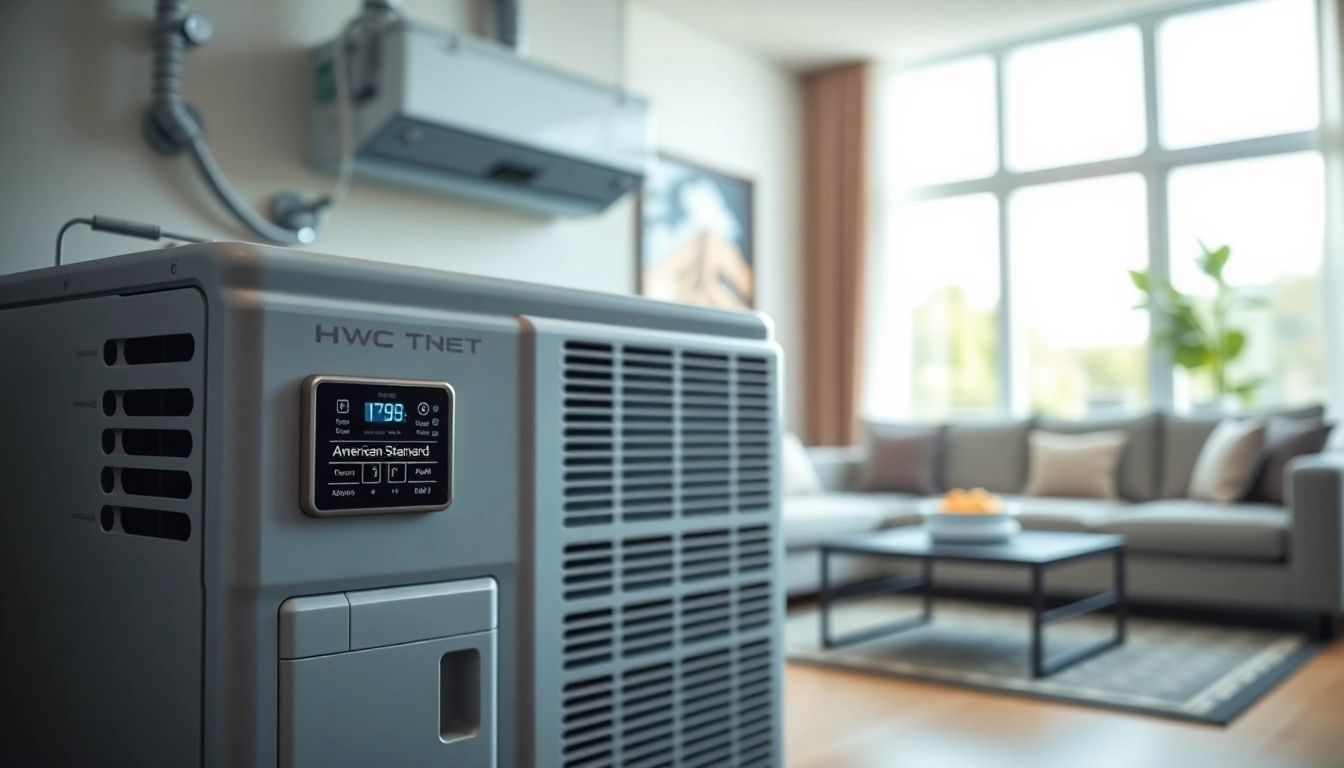
Understanding American Standard HVAC
Overview of American Standard HVAC Systems
The american standard hvac systems are known for their reliability and innovative technology in heating, ventilation, and air conditioning solutions. With a rich history of more than a century, American Standard has established itself as a leader in the HVAC industry, offering a variety of products that meet the diverse needs of homeowners. Their systems are designed to deliver optimal comfort, energy efficiency, and robust performance, regardless of the season.
American Standard HVAC systems include a comprehensive range of products such as air conditioners, furnaces, heat pumps, and indoor air quality solutions. Each product is crafted with the latest technology to ensure that it not only meets but exceeds industry standards, making heating and cooling a hassle-free experience for users.
Key Features and Benefits
American Standard HVAC systems are renowned for several key features that distinguish them from other market offerings:
- Energy Efficiency: Many American Standard HVAC products are ENERGY STAR certified, providing homeowners with systems that help lower utility bills and reduce environmental impact.
- Quiet Operation: The engineering of American Standard systems emphasizes quiet operation, ensuring that the comfort of your home is not disrupted by noisy machinery.
- Diverse Temperature Control: Their systems offer advanced temperature control mechanisms, allowing users to adjust settings based on individual preference with precision.
- Durability: Built with high-quality materials, American Standard HVAC products are designed to endure varying weather conditions, enhancing longevity.
- Smart Technology Integration: Modern American Standard systems can integrate with smart home technology, allowing for remote monitoring and management of your home’s climate.
Energy Efficiency Ratings Explained
Energy efficiency ratings are a crucial element in the selection and performance analysis of HVAC systems. They provide information on how effectively a system converts energy into heating or cooling output. Understanding these ratings can help homeowners make informed decisions. Key ratings to consider include:
- SEER (Seasonal Energy Efficiency Ratio): This rating measures the cooling efficiency of air conditioning systems. A higher SEER indicates better energy efficiency.
- EER (Energy Efficiency Ratio): It is similar to SEER but measures efficiency during peak cooling conditions. Knowing this rating helps in assessing performance during heat waves.
- AFUE (Annual Fuel Utilization Efficiency): This percentage shows how much of the fuel used by a furnace or boiler is converted into usable heat. Higher AFUE values mean less energy waste.
Choosing the Right American Standard HVAC System
Factors to Consider in Selection
Selecting the right HVAC system is essential for ensuring comfort and efficiency in your home. Several factors should be taken into consideration:
- Home Size: The size of your home significantly impacts what HVAC system you need. An undersized system won’t adequately heat or cool the space, while an oversized system can lead to inefficiencies and higher costs.
- Climate: Consideration of your local climate plays a key role in determining the type of system you need. Areas with extreme temperatures may require more robust systems.
- Budget: Evaluate both the initial investment and long-term operational costs associated with different American Standard HVAC systems. Sometimes, spending more initially can yield savings over time through energy efficiency.
- Technology Features: Depending on your lifestyle, you may prefer systems that offer smart technology and connectivity for ease of use and better control.
Size and Home Layout Considerations
When choosing an American Standard HVAC system, it’s essential to consider how the layout of your home interacts with the heating and cooling solutions:
To ensure that every room in your home receives equal comfort, the HVAC system must be appropriately sized. A professional sizing calculation, known as a Manual J calculation, will help determine the exact capacity required based on various factors, including insulation levels, window sizes, and floor plans.
Understanding Different Models
American Standard HVAC offers various models, each designed to cater to specific needs. Familiarizing yourself with these models can aid in making a sound decision:
- Air Conditioners: Range from basic models to high-efficiency units suitable for extreme climates.
- Furnaces: Gas, electric, and oil options with varying efficiency ratings and performance levels.
- Heat Pumps: Both cooling and heating capabilities make them versatile for regions with milder climates.
- Air Handlers: Vital components that enhance indoor air circulation in conjunction with other HVAC units.
Installation Processes for American Standard HVAC
Preparing Your Home for Installation
Before an American Standard HVAC system is installed, thorough preparation is critical to ensure a smooth process:
- Assess Current Systems: Have a professional assess your existing systems for compatibility with new installations.
- Clear Space: Ensure that areas around the installation site are cleared of obstructive furniture and items.
- Access Points: Communicate clear access points for technicians to transport equipment and materials safely into your home.
What to Expect During Installation
During the installation process itself, several steps will generally take place:
- Old System Removal: If replacing an old system, technicians will first safely dismantle and remove it.
- New System Placement: The new American Standard unit will be placed according to your home’s specifications.
- Connections Setup: Necessary connections to ductwork, electrical systems, and gas lines will be performed.
- Testing and Calibration: After installation, the system will undergo tests and calibrations to ensure it functions optimally.
Key Installation Tips for Optimal Performance
To maximize performance from your new HVAC system, consider the following tips:
- Choose a qualified technician for installation to guarantee compliance with industry standards.
- Ensure that ductwork is properly sealed to avoid energy loss during heating and cooling.
- Discuss thermostat positioning with your technician to improve responsiveness and efficiency in climate control.
- Schedule a follow-up service check within six months of installation to ensure everything is functioning as intended.
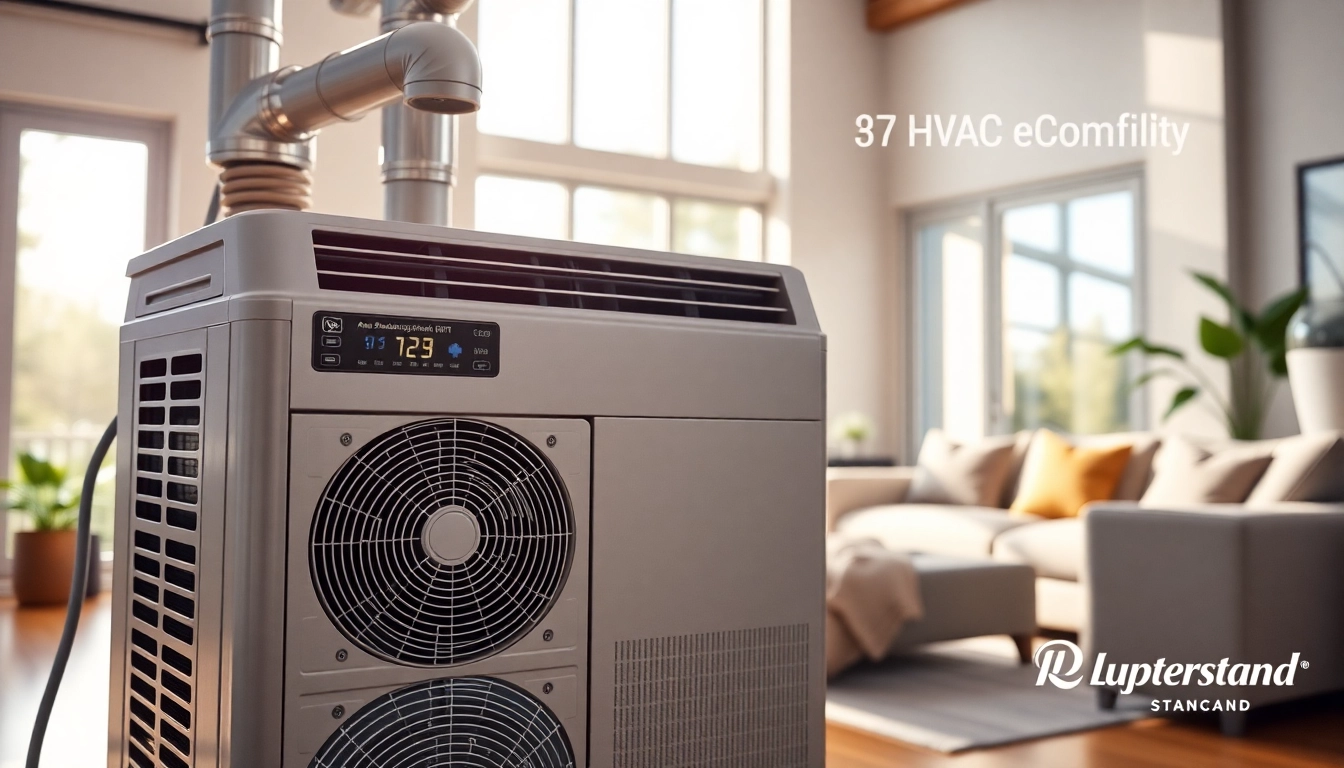
Maintenance for American Standard HVAC Systems
Regular Maintenance Checklist
Regular maintenance is key to preserving the performance and lifespan of your American Standard HVAC system:
- Change air filters regularly (every 1-3 months) to promote air quality and efficiency.
- Inspect and clean ductwork annually to prevent dust and mildew accumulation.
- Schedule professional tune-ups at least once a year to catch potential issues early.
- Ensure outdoor units are clear of debris and obstructions for optimal airflow.
Signs Your System Needs Repair
Recognizing signs of potential malfunction can save time and money:
- Unusual noises coming from the system can indicate mechanical problems.
- Inconsistent temperatures across your home can suggest ductwork or unit issues.
- Increased energy bills without a significant change in usage may indicate inefficiency.
- Persistent odors can signal gas leaks or other serious issues.
DIY Maintenance Tips
Implementing simple DIY maintenance actions can enhance the efficiency of your HVAC system:
- Regularly vacuum the area around your unit to keep dust and debris at bay.
- Keep vents unobstructed by furniture or drapes to ensure proper airflow.
- Utilize a programmable thermostat to automatically adjust settings based on occupancy.
Improving Air Quality with American Standard HVAC
Importance of Indoor Air Quality
Indoor air quality significantly affects the overall comfort and health within a home. Poor air quality can lead to respiratory problems, allergies, and reduced productivity. Consequently, integrating quality HVAC systems becomes essential for promoting a healthy environment.
How HVAC Affects Air Quality
The HVAC system is responsible for filtering and circulating air throughout your household. Using quality air filters, like those provided by American Standard, helps remove pollutants, allergens, and other particles, therefore enhancing indoor air quality. Additionally, humidity control capabilities prevent mold and mildew, which can otherwise diminish air quality.
Tips for Enhancing Air Quality at Home
Improving indoor air quality requires proactive steps:
- Utilize HEPA filters in your HVAC system to trap finer particles more effectively.
- Maintain proper humidity levels (30-50%) through dehumidifiers or humidifiers as needed.
- Ensure regular inspection and cleaning of air ducts to minimize dust accumulation.
- Incorporate plants throughout your home, as they improve air quality naturally.
FAQs
1. What is the average lifespan of an American Standard HVAC system?
On average, an American Standard HVAC system can last between 15 to 20 years, with proper maintenance and care. Regular service can extend its lifespan.
2. What should I do if my HVAC system is making unusual noises?
If your system is making unusual noises, it may indicate mechanical issues. Schedule a professional inspection to diagnose and resolve the problem swiftly.
3. How often should I change my HVAC filters?
It’s recommended to change your HVAC filters every 1-3 months, depending on usage and type of filter, to maintain optimal efficiency and airflow.
4. Does American Standard offer any warranties on their HVAC systems?
Yes, American Standard offers warranties on various parts of their HVAC systems. It’s advisable to check specific warranty details upon purchase.
5. How can I improve the energy efficiency of my HVAC system?
Improving energy efficiency can be achieved by regularly maintaining filters, ensuring proper insulation, and utilizing programmable thermostats for smarter temperature management.