Understanding the Modern Steel Mill
Definition and Purpose of a Modern Steel Mill
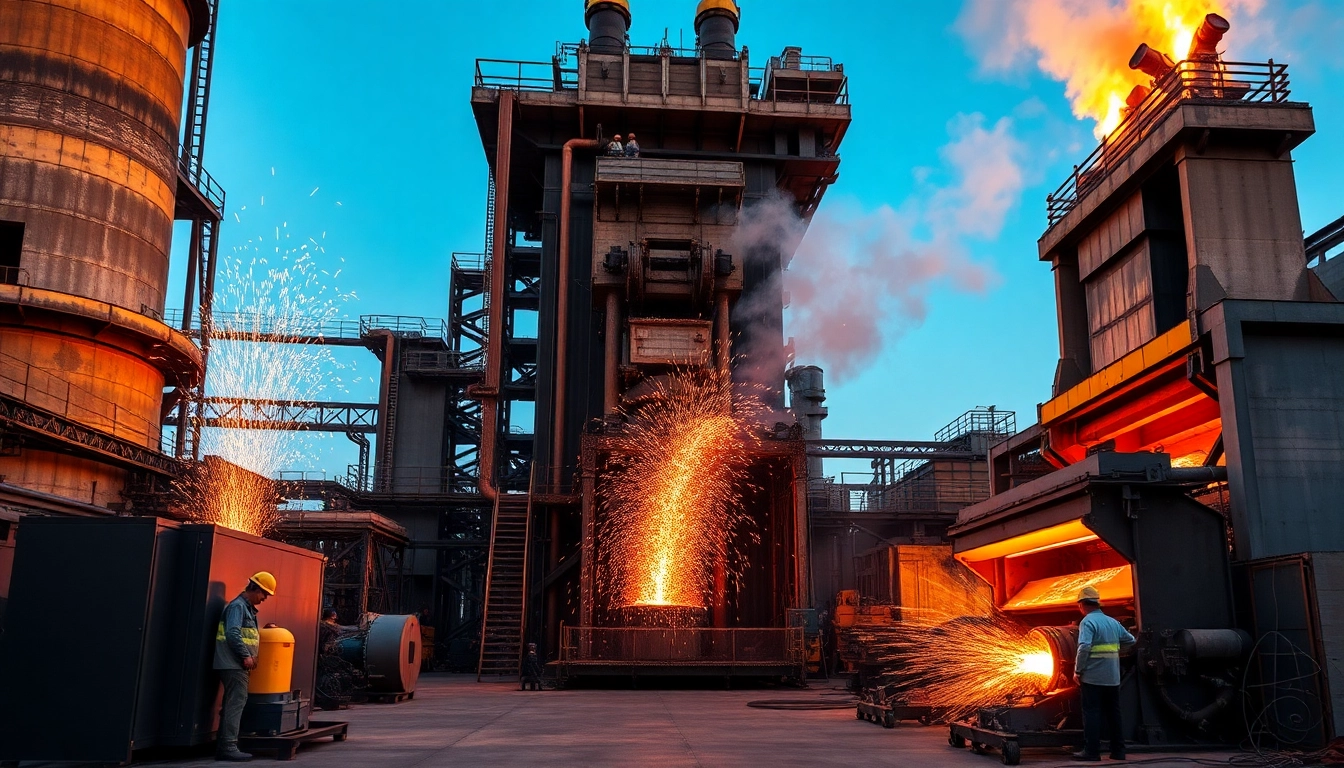
A modern steel mill is a sophisticated facility engaged in the production of steel through various advanced manufacturing processes. Unlike traditional steel mills, these modern facilities leverage state-of-the-art technology to enhance efficiency, reduce costs, and improve product quality. The primary purpose of a modern steel mill is to convert raw materials, such as iron ore and scrap metal, into high-quality steel products that are essential in construction, automotive, and numerous other industries. With ever-evolving demands for sustainability and resource efficiency, the role of modern steel mills has expanded to encompass eco-friendly practices and innovation-driven solutions.
Key Technologies Used in Modern Steel Mills
Modern steel mills integrate various cutting-edge technologies to streamline operations and improve output. One of the main technologies includes modern steel mill automation systems, which enable real-time monitoring and control of production processes. Robotics play a vital role in handling hazardous materials and performing repetitive tasks, enhancing safety and efficiency. Furthermore, the implementation of Artificial Intelligence (AI) in predictive maintenance models helps mill operators foresee equipment failures, reducing downtime. Other key technologies include electric arc furnaces (EAF) for recycling scrap metal, advanced continuous casting methods, and integrated information systems that facilitate data analysis for quality control and process optimization.
Environmental Impact and Sustainability Practices
The environmental impact of steel production has garnered significant concern, prompting modern steel mills to adopt sustainable practices. These facilities are designed to minimize waste and carbon emissions through various methods such as using renewable energy sources, optimizing energy consumption, and recycling water within the production process. Implementing closed-loop systems allows for the conservation of natural resources while ensuring efficient energy use. Moreover, many modern steel mills have adopted practices like Carbon Capture and Storage (CCS) technology, which effectively reduces greenhouse gas emissions. These sustainability efforts not only comply with regulations but also improve overall public perception and market competitiveness.
Components of a Modern Steel Mill
Furnaces and Their Functions
At the heart of any modern steel mill is its furnace, which operates using different technologies based on the input raw materials and desired output. The most common types include the Basic Oxygen Furnace (BOF) and the Electric Arc Furnace (EAF). The BOF utilizes oxygen to convert molten iron into steel by removing impurities, while the EAF melts scrap steel using electrical energy. Each furnace type offers unique benefits concerning energy consumption, raw material flexibility, and production capacity. Understanding the specific functions of each furnace type helps operators optimize their steel production processes effectively.
Role of Machinery in Steel Production
Modern steel production relies heavily on a range of specialized machinery to enhance efficiency and maintain product consistency. Key equipment includes ladle metallurgy furnaces, continuous casting machines, and rolling mills. Ladle metallurgy furnaces refine molten steel, allowing for the addition of alloying elements to tailor the final product. Continuous casting machines transform molten steel into semi-finished sections like slabs or billets, streamlining the manufacturing process and reducing waste. Rolling mills then shape these products into the desired dimensions and finish. The synergy between these machines is crucial for an efficient and high-quality steel production line.
Safety Measures in Modern Steel Mills
Safety is paramount in the demanding environment of steel mills, where high temperatures and heavy machinery present significant hazards. Modern steel mills employ comprehensive safety measures, including regular training programs for employees, stringent safety protocols, and the implementation of advanced surveillance technologies. Protective gear is mandatory for all personnel, and emergency response teams are on standby to address any incidents efficiently. Additionally, risks associated with equipment failure are managed through robust maintenance schedules that ensure machinery operates smoothly, thereby preventing accidents and injuries.
Production Techniques in the Modern Steel Mill
High-Efficiency Steel Manufacturing Processes
Modern steel mills have adopted high-efficiency production processes aimed at increasing output while minimizing costs and energy consumption. Techniques such as lean manufacturing principles optimize labor and material use, reducing waste in every step of the production cycle. The use of advanced casting and rolling technologies enhances the speed and precision of steel making. Moreover, adopting smart manufacturing practices through Industrial Internet of Things (IIoT) ensures that mills can monitor data in real-time to improve their operations continuously.
Advanced Quality Control Methods
Ensuring the quality of steel products is crucial for modern steel mills as they cater to diverse industry requirements. Advanced quality control methods employ statistical process control (SPC), where data from production is analyzed in real time to detect anomalies. Non-destructive testing techniques are also widely used to assess the integrity of steel products without altering them. By implementing these rigorous quality assurance measures, modern steel mills can adhere to international standards and deliver consistent products that meet customer expectations.
Innovations in Steel Mill Operations
Continuous innovation is vital for maintaining competitive advantage in the steel industry. Modern steel mills are leveraging new technologies such as machine learning algorithms to analyze production data and predict maintenance needs. Innovations like modular design in manufacturing systems allow for flexible production environments that can adapt quickly to market demands. Moreover, digital twins—virtual replicas of physical assets—enable manufacturers to simulate production processes, enhancing planning and cost-management strategies. Implementing these innovations contributes significantly to enhancing efficiency and responsiveness in mill operations.
The Future of the Modern Steel Mill
Emerging Trends in Steel Manufacturing
Emerging trends in steel manufacturing reflect a shift towards more sustainable and smarter practices. Innovations like hydrogen-based steelmaking have the potential to significantly reduce carbon emissions associated with traditional processes. Furthermore, the rise of electric vehicles is driving demand for specialized steel grades, prompting mills to adapt their production strategies. The concept of circular economy, where waste is minimized, and materials are reused, is becoming fundamental in guiding manufacturing practices toward sustainability, thus reshaping the future landscape of the steel industry.
Technology Integration and Automation
The integration of technology and automation is set to revolutionize modern steel mills. As industries advance, the automation of repetitive tasks through robotics eliminates human error while enhancing efficiency. This shift allows skilled labor to focus on complex problem-solving and oversight. Artificial intelligence systems will play an increasingly crucial role in production planning and logistics, optimizing resource allocation and minimizing downtime. As mills advance through these technologies, a high degree of interconnectivity within processes will be achieved, ultimately propelling manufacturing to new heights.
Impact of Global Market Changes
The global market exert influence over modern steel mills, driving trends that impact production and economic viability. Increasing consumer awareness of sustainability is prompting mills to adopt greener technologies and demonstrate corporate social responsibility. Moreover, fluctuations in raw material prices necessitate adaptability and innovation in sourcing and production processes. Trade policies, tariffs, and international competition also play significant roles in shaping how steel is produced and sold, necessitating strategic responses from steel mill operators to navigate these complexities effectively.
FAQs about Modern Steel Mills
What is the primary function of a modern steel mill?
The primary function of a modern steel mill is to convert raw materials like iron ore and scrap into high-quality steel products for various industrial applications while ensuring efficiency and sustainability.
How do modern steel mills reduce environmental impact?
Modern steel mills reduce environmental impact by adopting practices like recycling, using renewable energy sources, and implementing carbon capture technologies to minimize emissions and conserve resources.
What types of steel are produced in a modern steel mill?
Modern steel mills produce various steel types, including structural steel, flat steel, reinforcing steel, and specialty alloys, catering to industries such as construction and automotive.
What advancements are being made in steel mill technology?
Advancements in steel mill technology include automation, machine learning for predictive maintenance, and innovations like hydrogen-based steelmaking for lower carbon emissions.
How does safety operate within modern steel mills?
Safety in modern steel mills involves regular employee training, strict safety protocols, protective gear regulations, and systematic maintenance schedules to minimize hazards associated with steel production.