
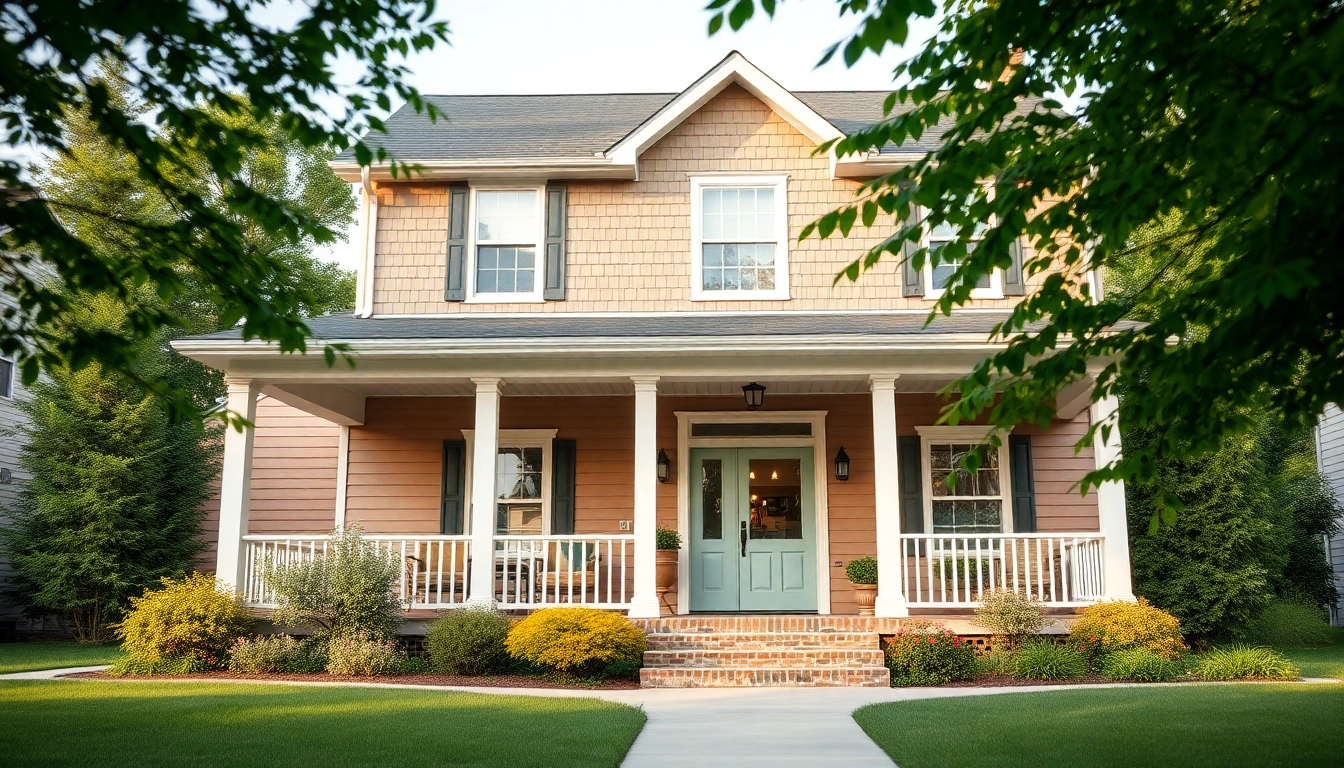
Understanding Colonial Home Renovation
Renovating a colonial home presents a unique opportunity to blend history with modern utility. As these homes possess distinct architectural elements and rich histories, the process of renovation requires thoughtful planning and execution. In this article, we delve into the key aspects of colonial home renovation, exploring design trends, material choices, and crucial planning steps to ensure a successful transformation.
What Is a Colonial Home?
A colonial home refers to a style of architecture that thrived in America during the colonial period, spanning from the 1600s to the 1800s. These homes are characterized by their symmetrical structures, steep roofs, and centrally located front doors, often flanked by evenly spaced windows. Various regional styles emerged from the colonial framework, such as Cape Cod, Georgian, and Dutch Colonial, each bringing unique features reflective of their cultural backgrounds. Understanding these key characteristics is vital during renovation.
Importance of Colonial Home Renovation
Renovating colonial homes is crucial not only for preserving architectural history but also for adapting these structures to modern living standards. Colonial homes often require updates for energy efficiency, plumbing, and electrical systems, which can enhance comfort and reduce utility costs. Moreover, thoughtful renovations can increase property values, ensuring these historical treasures remain assets for future generations.
Common Characteristics of Colonial Homes
Colonial homes exhibit several timeless characteristics, including:
- Symmetry: Colonial houses are generally symmetrically designed, making them visually appealing and harmonious.
- Exterior Materials: Often built from brick or wood, these homes embrace local materials, showcasing craftsmanship.
- Classic Roof Designs: Colonial homes typically feature gable roofs, which add to their architectural elegance.
- Defined Entryways: Grand, central doorways usually adorned with decorative elements set the tone for the home.
Planning Your Colonial Home Renovation
Identifying Key Areas for Renovation
Start your renovation journey by identifying which areas of the home need attention. Focus on:
- The Kitchen: Often termed the heart of the home, renovations here can enhance functionality and aesthetics.
- Bathrooms: Updating plumbing fixtures or layout can vastly improve usability and appeal.
- Flooring: Restoring original wood floors or upgrading to modern, sustainable options can add value.
- Exterior Facade: Addressing issues with the siding, roof, or windows can prevent long-term damage.
Setting a Realistic Budget
A well-defined budget is critical for a successful renovation. Here are some steps:
- Estimate Costs: Break down costs by materials, labor, and permits.
- Prioritize Expenses: Identify must-have upgrades versus wish-list enhancements.
- Include Contingency: Allocate an extra 10-15% for unexpected expenses.
Creating a Timeline for Your Project
Establishing a timeline will help to manage expectations and resources:
- Set a realistic start and end date based on the scope of work.
- Coordinate with contractors and suppliers to align timelines effectively.
- Incorporate buffers for permitting and inspections which can often be time-consuming.
Design Trends for Colonial Home Renovation
Modern Versus Traditional Aesthetics
The balance between preserving traditional elements and incorporating modern design is crucial. Consider:
- Open Floor Plans: While colonial homes originally had closed spaces, opening up kitchens and living areas can create a more modern feel.
- Mixing Textures: Combining traditional wood with contemporary materials like steel or glass creates striking contrasts.
- Functional Spaces: Adapt areas for modern uses, like home offices or multi-functional spaces.
Incorporating Energy Efficiency
Energy efficiency is a major consideration for modern renovations. Strategies include:
- Upgrading Insulation: Proper insulation not only reduces energy costs but also improves comfort.
- Energy-Efficient Windows: Installing double or triple-glazed windows maintains the aesthetic while improving efficiency.
- Smart Home Technology: Implementing smart thermostats and lighting can enhance energy management.
Color Schemes That Enhance Historical Attributes
Selecting an appropriate color palette can accentuate a colonial home’s features:
- Earth Tones: Warm, natural colors provide a timeless feel.
- Historical Shades: Researching period-appropriate colors can help maintain historical accuracy.
- Accent Colors: Use bold colors sparingly to highlight architectural features like moldings or doorways.
Choosing the Right Materials for Colonial Home Renovation
Traditional Materials for Authenticity
Preserving the integrity of the home often means using traditional materials. Some recommendations include:
- Wood: Opt for reclaimed wood for flooring and beams to maintain the character.
- Brick and Stone: These can be integral to the facade, offering durability and historical accuracy.
Modern Alternatives That Blend Well
When traditional materials aren’t feasible, consider modern alternatives that harmoniously integrate:
- Composite Materials: These can mimic wood and stone without the maintenance burdens.
- Eco-Friendly Options: Sustainable choices such as bamboo flooring can enhance both aesthetics and environmental friendliness.
Balancing Durability and Aesthetics
When selecting materials, balance is key:
- Longevity: Materials must withstand time and wear.
- Maintenance: Choose items that retain beauty with minimal upkeep.
- Compatibility: Ensure that modern materials complement the home’s historical elements.
Frequently Asked Questions About Colonial Home Renovation
What are the most common mistakes in colonial home renovation?
Common mistakes include overlooking structural issues, not respecting historical accuracy, and poor budget planning, leading to rushed and subpar renovations.
How long does a typical colonial home renovation take?
The duration varies based on the project’s scope, but major renovations can take anywhere from a few months to over a year, especially if historical elements need preservation.
Which permits might I need for renovations?
Renovations often require permits for structural changes, electrical updates, and plumbing work. Check local regulations to ensure compliance and avoid fines.
What are cost-effective upgrades for colonial homes?
Cost-effective upgrades include repainting, landscaping, and kitchen or bathroom fixture replacements, which can significantly enhance appeal without major renovations.
Can I maintain historical accuracy while renovating?
Yes, it’s crucial to conduct research to ensure that updated elements respect the original architecture, including materials, styles, and colors consistent with the era.