
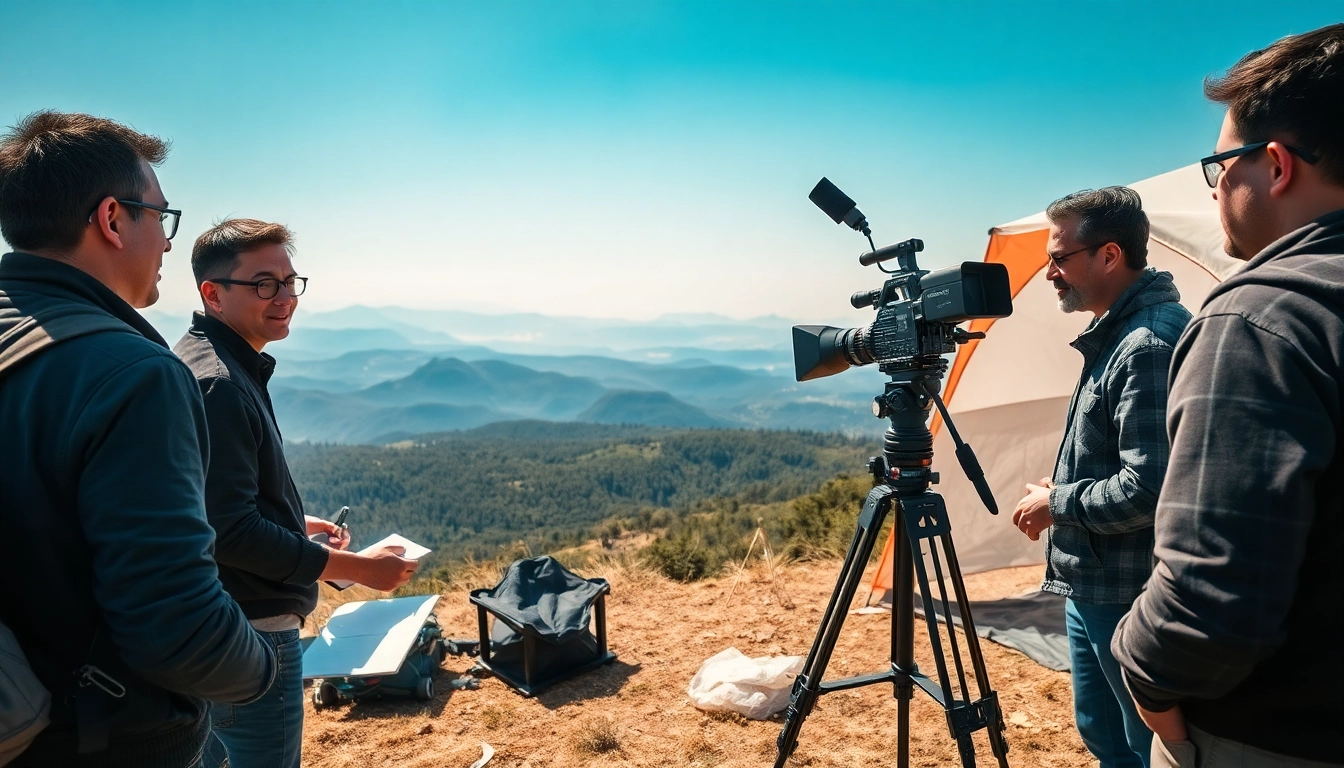
Understanding Location Scouting
What is Location Scouting?
Location scouting is a critical process in filmmaking that involves identifying and evaluating various sites for potential filming. It is not just about finding a beautiful background; it encompasses a thorough analysis of the aesthetics, logistics, safety, and accessibility of each location. A successful location scout must consider several factors such as lighting, sound conditions, and proximity to essential services and resources.
The Importance of Location Scouting
The importance of Location scouting cannot be overstated in the realm of filmmaking. The chosen locations significantly impact the visual storytelling, production quality, and even the budget of a project. A well-chosen location can enhance the narrative, draw in the audience, and even create iconic scenes that stand the test of time. Conversely, a poorly selected site can lead to increased costs and production difficulties, ultimately affecting the project’s success.
Common Challenges in Location Scouting
Location scouting comes with its unique challenges. Filmmakers often face issues such as obtaining permissions, financial constraints, and logistical hurdles. Weather variability can affect outdoor locations; thus, it’s paramount to have backup options. Additionally, locations may look different on camera than they appear in real life, requiring flexibility and creativity in the scouting process.
Techniques for Effective Location Scouting
Researching Potential Locations
Research is the bedrock of effective location scouting. This process begins with brainstorming potential sites based on the script’s needs and overall vision. Filmmakers can utilize online databases, local directories, and social media platforms to discover unique locations. Engaging with local residents, visiting tourism boards, and consulting with industry contacts can also yield hidden gems. It is vital to identify locations that align with the thematic elements of the story, enhancing the visual narrative.
Utilizing Technology in Location Scouting
In the digital age, technology plays an essential role in location scouting. Filmmakers can use applications for mapping and navigation, aerial photography drones for capturing overhead views, and virtual reality tools for a preliminary feel of the site. Moreover, software that specializes in location management can help organize information, documentation, and contacts efficiently, ensuring a smooth scouting experience.
Conducting Location Visits
Conducting location visits is where the theoretical work meets practical evaluation. During the visit, scouts should verify the visual elements against the screenplay, assess the physical layout of the space, and evaluate lighting at different times of day. Taking photographs and video footage can assist in later discussions with crew members and stakeholders. It’s essential to conduct multiple visits at various times to ensure consistent quality regarding lighting and noise levels. Taking notes on any limitations or potential challenges is also critical during this step.
Best Practices for Filmmakers
Creating a Location Scouting Checklist
A location scouting checklist is a practical tool that helps filmmakers evaluate sites systematically. Key components of such a checklist should include accessibility for crew, vehicles, and equipment, available amenities (like restrooms and shelter), local power sources, as well as potential noise issues like traffic or construction. Including lighting conditions, safety concerns, and any required permits will also facilitate thorough evaluations.
Collaborating with the Crew
Collaboration is essential in the location scouting process. Having a crew that understands the vision allows better communication of needs and preferences. Involving the director, cinematographer, and art department during scouting can streamline decision-making and ensure everyone is aligned with the creative vision. Regular meetings and discussions about various locations encourage a multi-dimensional perspective that might uncover unexpected advantages or challenges.
Assessing Logistics and Accessibility
Logistics plays a fundamental role in location scouting. Evaluating a location’s accessibility for not only vehicles but also crew and talent is critical. Understanding the flow of equipment, potential setup layouts, and even the distance from the working space to rest areas or transportation links can impact production schedules. Furthermore, assessing local regulations regarding filming permits, noise restrictions, and public access rights can save time and resources later in the production process.
Examples of Successful Location Scouting
Case Studies in Film Industry
Studying successful examples can provide valuable insights into effective location scouting. For instance, the film “La La Land” was praised for its visual representation of Los Angeles, with locations meticulously chosen to capture the essence of the city. Their scouts went beyond generic hotspots, capturing lesser-known locations that embodied the film’s narrative and theme. Each site resonated with the characters’ journey, showing how critical location scouting decisions were to the overall impact of the film.
Iconic Filming Locations
Numerous iconic filming locations have become synonymous with films, elevating both the movie and the site’s profile. For instance, the cliffs of Moher in Ireland were brilliantly featured in “Harry Potter” and “Game of Thrones,” turning them into pilgrimage sites for fans. Such success demonstrates how location scouting not only contributes to filmmaking but can also impact tourism and local economies, emphasizing the power of a well-chosen site.
Lessons Learned from Location Scouting
What filmmakers learn from successful location scouting can shape future projects. Consistent evaluation and adaptation based on past experiences often lead to better choices in future scouting trips. Recognizing the importance of following geographical trends, local regulations, and community involvement can dramatically enhance future projects. Engaging the community early in the process often leads to collaborative outcomes that benefit both the filmmakers and the locals.
Measuring Success in Location Scouting
Key Metrics for Filmmakers
Measuring the success of location scouting involves several key metrics such as budget compliance, time efficiency during the shooting schedule, and overall production value. Tracking how often the chosen location enhances narrative elements or audience reception can offer quantitative measures of success. Moreover, monitoring the ease of logistics, including travel time and crew satisfaction, can provide qualitative insights on the locations selected.
Evaluating Locations Post-Shoot
Post-shoot evaluations can offer insights into the effectiveness of location choices. Consider conducting surveys or interviews with crew members to gather feedback on their experiences at each site. Post-production review sessions that analyze how well the locations captured the intended vision can help formulate best practices for future projects. If a location failed to meet expectations, understanding why it fell short in terms of aesthetics, logistics, or crew comfort is vital for growth.
Feedback for Future Projects
Collecting feedback should be an ongoing process for filmmakers. After completion of a project, reviewing all aspects of location scouting, including successes and challenges, provides a wealth of information for future productions. Filmmakers should encourage open discussions that allow crew members to share their insights. By implementing changes based on feedback, teams can continually refine their scouting processes to yield even greater results in future endeavors.
What is location scouting in filmmaking?
Location scouting is the process of exploring and selecting sites for filming, considering factors like aesthetics and logistics.
Why is location scouting important?
Location scouting is crucial as it impacts the visual storytelling, budget, and overall production quality of a film.
How do I conduct effective location scouting?
Effective location scouting includes researching potential sites, visiting locations, and using checklists to evaluate their suitability.
What technology can assist in location scouting?
Using apps for mapping, aerial photography, and virtual reality tools can help filmmakers visualize locations before visits.
What should be included in a location scouting checklist?
A location scouting checklist should contain site accessibility, lighting conditions, sound quality, and proximity to resources like power.