Understanding Back Pain
Back pain is one of the most common health complaints affecting millions of people worldwide. It can range from a mild, nagging discomfort to a debilitating condition that interferes with daily activities. Understanding the root causes, symptoms, and when to seek medical intervention is crucial for effective management and relief. If you’re searching for insights on how to relieve back pain, this comprehensive article will guide you through natural remedies, lifestyle changes, and preventive strategies.
What Causes Back Pain?
Back pain can stem from various sources, including physical, emotional, or psychological conditions. Common causes include:
- Muscle or Ligament Strain: Sudden awkward movements or heavy lifting can lead to strains.
- Bulging or Ruptured Discs: Discs act as cushions between vertebrae, and when they bulge, they may press on nerves.
- Arthritis: Conditions like osteoarthritis can lead to lower back pain and disability.
- Structural Abnormalities: Conditions like scoliosis can cause uneven distribution of weight on the spine.
- Osteoporosis: Weak, brittle bones may lead to fractures in the vertebrae, resulting in pain.
Common Symptoms to Watch For
Being vigilant about the symptoms can help you tackle back pain effectively. Symptoms may include:
- Dull, aching pain in the lower back.
- Sharp or shooting pain that extends to the legs.
- Stiffness or decreased range of motion.
- Pain that worsens with movement or prolonged sitting.
When to Seek Medical Attention
While most back issues resolve with time and self-care, it’s essential to recognize when to consult a healthcare professional:
- If the pain persists for more than a few weeks.
- If the pain interferes with daily activities or sleep.
- If you experience weakness, numbness, or tingling in the legs.
- If you have a history of bladder problems or unexplained weight loss.
Natural Remedies for Back Pain
Natural remedies can be incredibly effective in providing relief from back pain. Here’s a detailed look at some of the best approaches:
Stretching and Mobility Exercises
Incorporating stretching and mobility exercises into your daily routine can significantly enhance flexibility and alleviate tension. Effective exercises include:
- Child's Pose: A restful position that stretches the lower back.
- Cat-Cow Stretch: Alternating between arching and rounding the back can increase spinal flexibility.
- Seated Forward Bend: Promotes hamstring flexibility and eases lower back tension.
- Knees to Chest Stretch: Helps relieve lower back stiffness and discomfort.
Ensure you perform these exercises gently, maintaining deep, steady breaths to maximize relaxation and benefits.
Importance of Good Posture
Good posture is critical in preventing and alleviating back pain. Poor posture can lead to muscle fatigue and strain on lumbar structures. Here are key tips for maintaining good posture:
- Keep your feet flat on the floor when sitting.
- Use ergonomic chairs that support the natural curve of your spine.
- Avoid slouching by keeping your shoulders relaxed and back.
- Utilize supports if necessary when sitting for extended periods.
Heat and Cold Therapy Techniques
Heat and cold therapies are widely used to provide immediate relief:
- Cold Therapy: Applying ice packs can help reduce inflammation and numb acute pain.
- Heat Therapy: Heating pads or warm baths can promote circulation, helping to soothe muscle tension.
Alternate these therapies as needed. Limit application time to prevent skin damage and encourage healing.
Healthy Lifestyle Changes
Implementing healthy lifestyle changes can substantially impact your back health. Below are effective strategies to consider:
Nutrition and Its Impact on Back Health
A well-balanced diet rich in essential nutrients can promote overall health, including back health. Key components to include are:
- Anti-Inflammatory Foods: Such as fatty fish, leafy greens, nuts, and berries.
- Vitamin D and Calcium: Essential for bone health found in dairy products, fortified foods, and sunshine.
- Hydration: Adequate water intake maintains elasticity in spinal discs.
A nutritionist can help create a personalized diet plan focusing on these elements.
Weight Management Tips
Excess weight places strain on the spine, leading to potential back problems. Here are valuable weight management tips:
- Incorporate more physical activity into your day, such as walking or cycling.
- Eat smaller, more frequent meals to regulate your metabolism.
- Focus on whole foods rather than processed items to improve nutrient intake.
Set realistic weight goals and track your progress for motivation.
Incorporating Regular Exercise
Regular physical activity strengthens muscles and increases flexibility, crucial for back health. Recommended exercises include:
- Low-Impact Aerobics: Such as walking or swimming to minimize stress on the back.
- Strength Training: Target core stability to support the spine.
- Yoga or Pilates: Promotes flexibility, enhances posture and reduces stress.
A fitness professional can help tailor a program suited to your abilities and needs.
Alternative Therapies
Alternative therapies provide additional avenues for relieving back pain and promoting recovery. Here are some widely practiced methods:
Chiropractic Adjustments
Chiropractic adjustments focus on realigning the spine and joints, facilitating natural healing. Benefits include:
- Reduction in pain and inflammation.
- Improved mobility and functionality.
- Personalized treatment plans tailored to individual needs.
Regular visits may enhance long-term back health, especially for chronic conditions.
Acupuncture Benefits
Acupuncture, rooted in traditional Chinese medicine, involves inserting thin needles to stimulate specific points. Benefits encompass:
- Reduction of tension in muscle and connective tissues.
- Promotion of endorphins and natural pain relief.
- Support in balancing energy and improving wellness overall.
Consult a licensed acupuncturist skilled in treating back pain for optimum outcomes.
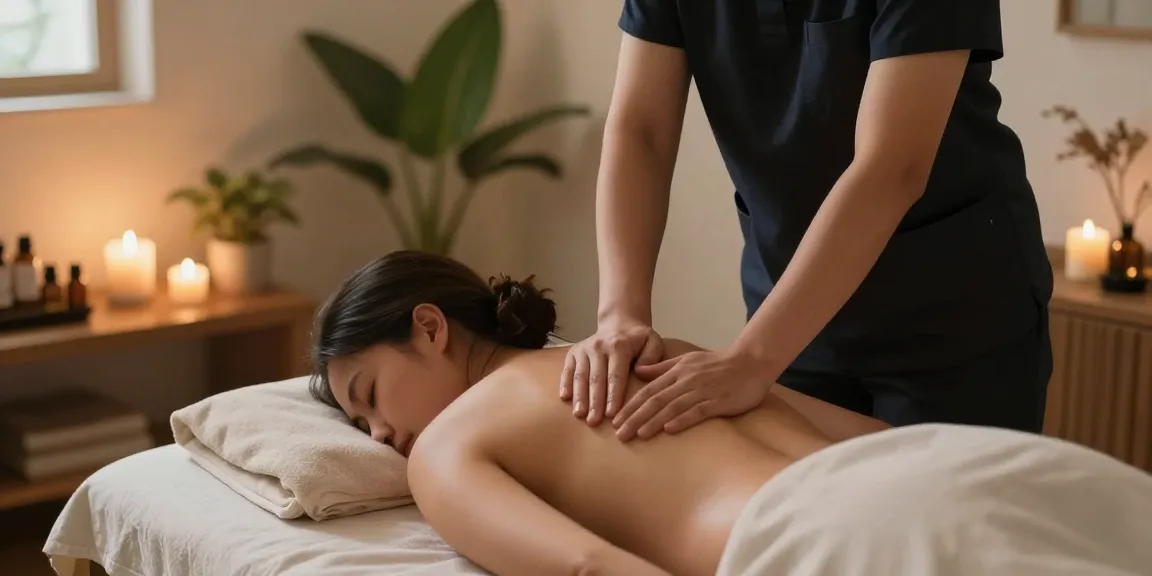
Massage Therapy Techniques
Massage therapy can alleviate back pain by reducing muscle tension and improving circulation. Techniques include:
- Deep Tissue Massage: Targets deeper muscle layers, relieving chronic tension.
- Swedish Massage: Promotes relaxation and improves blood flow.
- Trigger Point Therapy: Focuses on relieving specific painful spots in the muscles.
Regular massage sessions can support recovery and stress reduction.
Preventing Future Back Pain
Taking proactive steps can prevent the recurrence of back pain. Key preventive measures include:
Ergonomics in Daily Activities
Ergonomic adjustments in your work and home environment can significantly reduce back strain. Incorporate these practices:
- Adjust your desk height to prevent slouching.
- Utilize tools, such as lumbar supports for office chairs.
- Pay attention to body mechanics when lifting or bending.
Investing in ergonomic furniture can enhance comfort and productivity.
Workout Tips for Stronger Back
Strengthening the back and core muscles will provide improved support for daily activities. Tips include:
- Focus on core workouts, including planks and bridges.
- Incorporate resistance training to build muscle strength safely.
- Engage in activities that promote overall strength and stability.
Routine assessment of your exercise program can ensure continual improvement.
Creating a Comfortable Sleep Environment
Sleep plays a vital role in recovery and overall health. Tips for a comfortable sleep environment include:
- Invest in a supportive mattress that maintains spine alignment.
- Use pillows that support the neck and head without straining the spine.
- Establish a calming bedtime routine to encourage restful sleep.
Quality sleep enhances recovery, allowing your back to heal properly.
FAQs
1. What are some immediate ways to relieve back pain? Simple stretches, applying heat or ice, and adjusting your posture can provide quick relief.
2. Can diet help with back pain? Yes, maintaining a nutritious diet rich in anti-inflammatory foods can help reduce pain.
3. How often should I exercise if I have back pain? Aim for regular, low-impact exercises; consult a physician for personal advice.
4. Is it safe to use a heating pad for back pain? Yes, heat can relax tight muscles, but ensure to use it safely and for limited durations.
5. Should I consider chiropractic care for my back pain? Many find relief through chiropractic adjustments; however, consult a healthcare professional first.