Understanding Tearing Force and Its Importance
Tearing force is a critical metric in assessing the integrity and durability of various materials, particularly in the textile industry. It refers to the force required to propagate a tear in a fabric once initiated. This measurement is essential for ensuring that materials can withstand everyday stresses without failure. Manufacturers use this parameter not only to maintain quality standards but also to enhance product reliability. Understanding tearing force is imperative for quality control labs, manufacturers, and testers, as it helps delineate the performance levels of fabrics and other materials. For in-depth insights into this topic, exploring automated methods such as the tearing force measurement can significantly improve testing accuracy and efficiency.
What is Tearing Force?
Tearing force, or tearing strength, quantifies the resistance of a material to tearing when subjected to a force. It is measured by the energy lost during a pendulum swing that tears the sample, typically expressed in Newtons (N). The higher the tearing force, the more resistant the material is to tearing. This property is crucial for fabrics, plastic films, and various packaging materials where durability is paramount.
The Role of Tearing Force in Textile Quality
The tearing force acts as a benchmark for quality in textiles and related industries. Products with adequate tearing force can better meet customer expectations, contributing to satisfaction and safety. Manufacturers often implement tearing strength evaluations to reinforce their brand's reliability, especially in markets demanding high-performance fabrics, such as outdoor gear and safety wear. Additionally, consistent tearing force measurements can help identify subpar materials before they reach the production line.
Common Misconceptions About Tearing Force
One common misconception is that tearing force is solely dependent on fabric thickness. While thickness does play a role, factors such as fiber type, weave structure, and the presence of coatings are equally significant. Another myth is that all fabrics will exhibit uniform tearing characteristics across their length; however, irregularities in manufacturing can lead to inconsistent performance. Understanding these nuances is vital for manufacturers aiming to meet stringent quality standards.
How to Measure Tearing Force Accurately
To achieve precise measurements of tearing force, standardized methods are imperative. The Elmendorf Tear Tester is widely recognized for its reliability and ease of use. This automated apparatus not only simplifies the testing process but also ensures consistently accurate results. Below are effective practices for conducting tearing force tests.
Using the Elmendorf Tear Tester
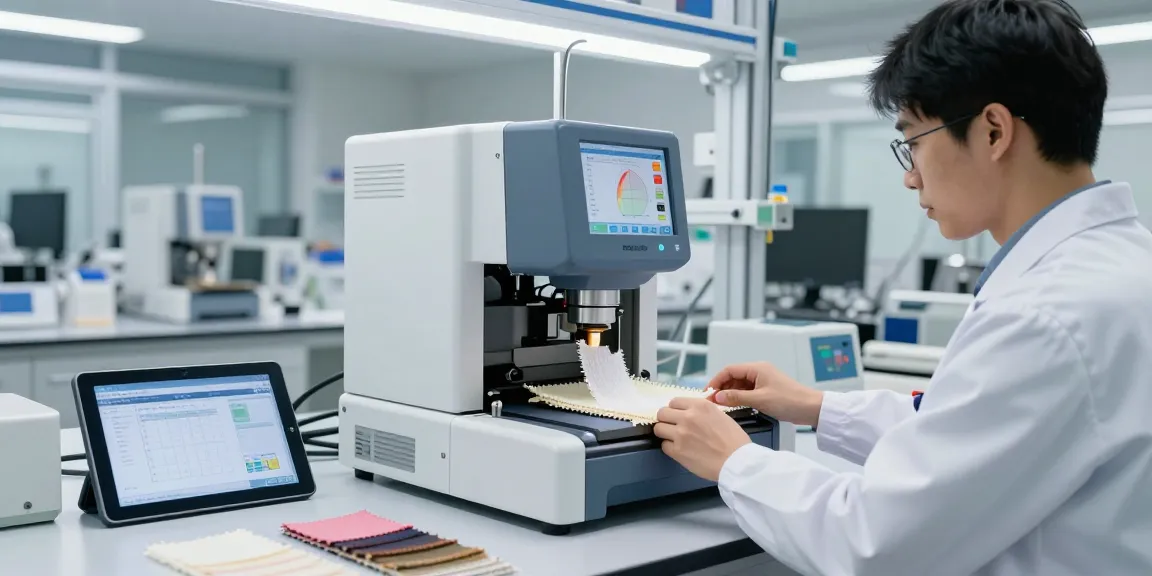
The Elmendorf Tear Tester operates on the principle of a pendulum that drops from a predetermined height to tear the fabric sample. Upon release, the pendulum’s potential energy transforms into kinetic energy, resulting in a tearing action. The apparatus effectively measures the energy lost during this movement, directly correlating it with the tearing force required to propagate the tear. This method eliminates manual calculations and enhances overall testing efficiency.
Best Practices for Accurate Measurements
- Sample Preparation: Ensure all samples are cut to the standardized dimensions and are free from defects.
- Calibration: Regularly calibrate the Elmendorf Tear Tester according to the manufacturer’s specifications.
- Environmental Control: Conduct tests in controlled conditions to minimize the impact of humidity and temperature, which can influence results.
- Training: Provide comprehensive training for operators to ensure they are familiar with the equipment and testing standards.
Calibration and Maintenance of Testing Equipment
To maintain accurate tearing force measurements, regular calibration and maintenance of the testing equipment are essential. Scheduled checks help identify any discrepancies that might arise due to wear or environmental changes. Following the manufacturer’s maintenance guide will ensure the longevity and precision of the Elmendorf Tear Tester.
Challenges in Tearing Force Measurement
While measuring tearing force can be straightforward with the right tools, certain challenges can affect accuracy. Understanding these challenges and implementing corrective measures is essential for obtaining reliable results.
Common Errors in Manual Testing
Manual testing methods, while traditional, can introduce a variety of errors. Inconsistent sample preparation, variations in the operator's technique, and misalignment during testing can all lead to unreliable data. Transitioning to automated solutions like the Elmendorf Tear Tester mitigates these risks significantly.
Environmental Factors Affecting Results
Environmental conditions, particularly humidity and temperature, can significantly affect the tearing force of materials. High humidity can weaken fibers, causing lower tearing strength measurements, while extreme temperatures can affect material rigidity. Performing tests in a temperature-controlled environment helps to produce more accurate and consistent results.
Case Studies of Measurement Failures
A notable case involved a textile manufacturer who relied solely on manual tearing force tests. Due to inconsistent operator techniques and variability in sample preparation, the company faced numerous quality control failures, leading to increased returns. By implementing automated testing with the Elmendorf Tear Tester, they achieved significant improvements in both accuracy and operational efficiency.
Innovative Solutions for Tearing Force Testing
As industries continue to evolve, innovative technologies are reshaping the landscape of tearing force testing. Staying abreast of these advancements can provide organizations with an edge in quality control.
Automation in Testing: Benefits and Tools
Automated testing solutions, such as the Elmendorf Tear Tester, reduce human error, improve measurement precision, and streamline workflows. Organizations that have transitioned to automated systems report faster turnaround times and a noticeable increase in data accuracy.
Incorporating IoT Technologies for Enhanced Accuracy
Integrating IoT technologies into testing systems allows for real-time data monitoring and reporting. Such advancements enable labs to track their testing processes remotely, enhancing oversight and coordination across departments. Automated alerts for maintenance and calibration further contribute to maintaining optimal testing conditions.
Future Trends in Textile Testing Equipment
The future of textile testing is leaning heavily toward automation and IoT. With growing demands for faster, more reliable testing methods, innovations in sensor technology and data analytics will play a pivotal role in shaping testing methodologies. Companies that adopt these trends will likely experience improved quality assurance and operational efficiencies.
Real-World Applications of Tearing Force Data
The implications of tearing force testing data extend far beyond the lab. They influence manufacturing processes, quality control, and end-user satisfaction across various industries.
How Tearing Force Influences Manufacturing Standards
Tearing force data is critical for manufacturers in establishing compliance with international standards. Adhering to norms such as ISO 13937-1 and ASTM D1424 ensures that products meet the required quality specifications. Consistent testing and verification can also reduce liability and enhance brand reputation.
Case Study: Successful Quality Control in Textile Production
A leading outdoor clothing manufacturer implemented the Elmendorf Tear Tester to improve their quality control measures. By establishing a rigorous testing regime based on tearing force assessments, they ensured their products met industry standards, resulting in reduced returns and increased customer satisfaction.
Feedback from Industry Professionals on Testing Practices
Industry professionals frequently emphasize the importance of reliable tearing force testing methods. Many express that transitioning to automated systems has streamlined their operations, reduced costs, and improved the overall quality of their end products. Moreover, feedback has indicated that easy access to data through integrated systems has fostered better collaboration within teams.
Frequently Asked Questions
- What is tearing force? Tearing force is the average force required to continue a tear previously initiated in a fabric, indicating its tearing resistance.
- How can I improve my fabric testing methods? Transitioning to automated testing systems like the Elmendorf Tear Tester can enhance accuracy and efficiency.
- What are the benefits of automated tearing force testing? Automated tests minimize human error, improve precision, and expedite the testing process.
- How do environmental factors affect tearing force measurements? Factors such as humidity and temperature can alter material properties, impacting the tearing strength results.
- What equipment is best for measuring tearing force? The Elmendorf Tear Tester is favored for its accuracy, automation, and compliance with global testing standards.